
Acoustic panels are an essential part of modern interior design, helping control noise levels and improve sound quality in both residential and commercial spaces. From homes and apartments to offices, schools, and entertainment venues, these panels are widely used to create more comfortable and functional environments.
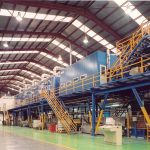
Behind every finished product is a carefully structured manufacturing process. Understanding how an acoustic panel factory operates provides valuable insight into how different production methods are adapted for varying project needs. Choosing a reliable acoustic panel factory ensures that both residential and commercial panels are produced with consistent quality, performance, and durability.
Table of Contents
ToggleDifferences Between Residential and Commercial Acoustic Panels
Although both types of panels serve the same basic purpose—sound control—their production requirements can differ significantly.
Residential panels typically focus on aesthetics, lightweight construction, and ease of installation. In contrast, commercial panels are designed for higher durability, larger coverage areas, and stricter performance standards.
These differences influence every stage of the manufacturing process, from material selection to finishing techniques.
Raw Material Selection for Different Applications
The production process begins with selecting appropriate raw materials. Factories choose materials based on the intended application of the panel.
Materials for Residential Panels
Residential panels often use lightweight and visually appealing materials such as:
- Polyester fiber
- Fabric-wrapped acoustic boards
- Decorative wood composites
These materials are chosen for their balance between acoustic performance and interior design compatibility.
Materials for Commercial Panels
Commercial panels require more robust materials capable of handling higher usage levels and stricter regulations, including:
- High-density acoustic cores
- Fire-resistant mineral wool
- Reinforced composite structures
These materials ensure long-term durability and consistent acoustic performance in demanding environments.
Panel Formation and Structural Processing
Once materials are selected, they are processed into structured panels. This step involves shaping, compressing, and forming materials into precise dimensions.
Factories use specialized machinery to ensure uniform density and thickness. This is especially important in commercial production, where large volumes must maintain consistent acoustic properties.
Residential panels, on the other hand, may involve more flexible shaping techniques to accommodate decorative designs.
Surface Treatment and Finishing Techniques
Surface finishing plays a major role in both aesthetics and functionality. Different production methods are used depending on the application.
Residential Finishing Methods
Residential panels often prioritize design flexibility. Common finishing techniques include:
- Fabric wrapping in various colors and textures
- Printed decorative surfaces
- Soft-touch coatings for interior blending
These finishes help panels integrate seamlessly into home interiors.
Commercial Finishing Methods
Commercial panels require more durable and performance-focused finishes, such as:
- Fire-resistant coatings
- Heavy-duty fabric coverings
- Scratch-resistant surfaces
- Moisture-resistant treatments
These enhancements ensure panels can withstand heavy usage in public and commercial spaces.
Acoustic Performance Engineering in Production
One of the most important aspects of factory production is achieving the required acoustic performance. Engineers carefully control material density, thickness, and structure to optimize sound absorption.
NRC=sound absorbedsound incidentNRC = \frac{\text{sound absorbed}}{\text{sound incident}}NRC=sound incidentsound absorbed
Higher Noise Reduction Coefficient (NRC) values are typically required for commercial environments, while residential applications may prioritize balanced sound comfort.
Manufacturing Methods Used in Factories
Different production methods are used depending on the scale and application of the panels.
Compression Molding
This method is commonly used for both residential and commercial panels. Materials are compressed under controlled pressure to achieve uniform density and acoustic performance.
CNC Cutting Technology
Computer-controlled cutting systems ensure precise shaping of panels. This is especially useful for custom designs and large-scale commercial projects.
Laminating and Bonding Processes
Layers of acoustic materials are bonded together to enhance sound absorption and structural stability. This method is often used in high-performance commercial panels.
Fabric Wrapping Techniques
Fabric wrapping is widely used in residential production due to its decorative flexibility. It also adds an additional layer of sound absorption.
Quality Control Across Production Stages
Quality control is essential in both residential and commercial manufacturing processes. Factories implement multiple inspection stages to ensure consistency.
These include:
- Raw material inspection
- In-process density and thickness checks
- Surface finish evaluation
- Acoustic performance testing
- Fire safety compliance checks
Commercial panels typically undergo more rigorous testing due to stricter regulatory requirements.
Packaging and Handling for Different Markets
Packaging methods also vary based on product type. Residential panels are often packaged for individual handling and easy installation, while commercial panels are packed in bulk for large-scale construction projects.
Proper packaging ensures that panels remain undamaged during transportation and retain their acoustic properties upon arrival.
Importance of Factory Expertise in Production Methods
The efficiency and precision of an acoustic panel factory directly influence product quality. Factories with advanced equipment and experienced technicians can better adapt production methods to meet different project needs.
This expertise ensures that both residential and commercial panels deliver reliable performance, whether for aesthetic home improvement or large-scale acoustic engineering.
Final Thoughts
Production methods for acoustic panels vary depending on whether they are intended for residential or commercial use. From material selection to finishing techniques, each step is carefully adapted to meet specific performance and design requirements.
Working with a skilled acoustic panel factory ensures that both types of panels are manufactured with precision, consistency, and quality control. This results in acoustic solutions that effectively balance functionality, durability, and design across a wide range of interior environments.