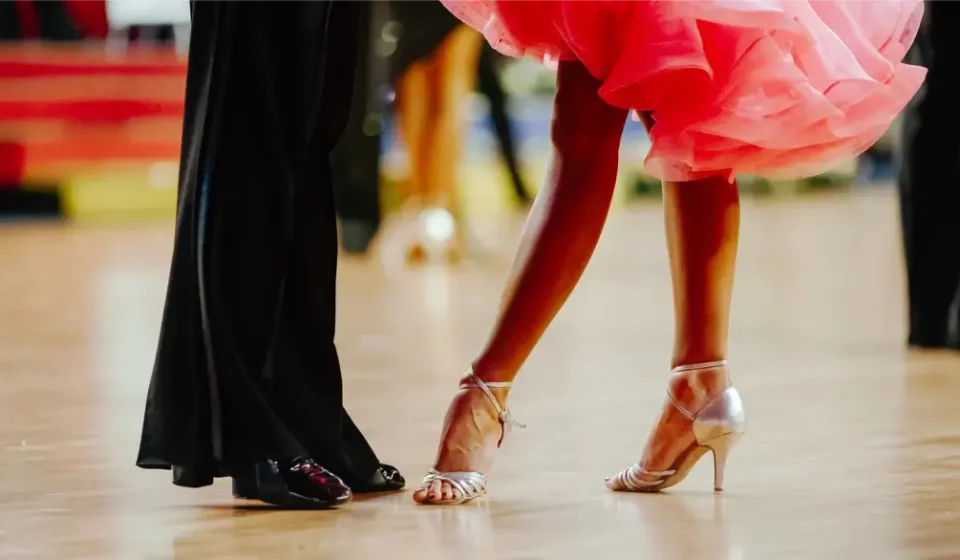

Latin dancing requires precision, balance, and controlled footwork, making footwear an important part of a dancer’s performance. From quick salsa turns to the expressive movements of rumba and cha-cha, the right shoes can help dancers move comfortably and confidently. Heel shape, sole design, upper materials, and overall construction all influence how a pair of dance shoes feels and performs.
When exploring Custom Latin Dance Shoes, understanding these design elements can make it easier to choose footwear suited to your dancing style and experience level. Custom options may allow you to consider preferred heel heights, strap arrangements, materials, and sizing requirements. Knowing how these features work together helps you make a more informed decision for both practice sessions and performances.
Why Heel Shape Matters in Latin Dance Shoes
Heel shape affects stability, weight distribution, and the overall feel of a dance shoe. Although heel height often receives the most attention, the shape and width of the heel are equally important when evaluating footwear.
A well-suited heel should feel secure during turns, support controlled weight transfers, and complement your technique. The best choice depends on your experience, foot structure, preferred movements, and comfort level.
Dancers should also remember that a heel that works well for one person may feel less stable for another. Trying different designs during basic practice movements can help identify the most appropriate option.
Common Heel Shapes for Latin Dance Shoes
Different heel designs offer distinct benefits. Understanding their characteristics can help you select footwear that suits your training needs and performance preferences.
Flared Heels
Flared heels are wider toward the bottom, creating a broader contact area with the floor. This design can provide a reassuring sense of stability for dancers who want support during turns and directional changes.
The wider base may appeal to developing dancers who are still refining their balance. Experienced dancers may also prefer flared heels because of their distinctive feel and appearance.
However, stability depends on more than heel shape alone. Heel height, shoe fit, construction quality, and individual technique all influence how securely a shoe performs.
Slim or Straight Heels
Slim heels have a narrower profile and are often chosen for their elegant appearance. They can complement streamlined performance footwear and create a refined silhouette.
Because the contact area may be smaller than that of a flared heel, some dancers find slim heels require greater attention to balance and alignment. They may be suitable for dancers who are already comfortable with their technique and prefer a more delicate-looking design.
When selecting a slim heel, pay particular attention to secure heel placement, the quality of the attachment, and how the shoe feels during controlled movements.
Cuban-Style Heels
Cuban-style heels are generally lower and broader than many traditional Latin dance heels. Their design can provide a stable base and may appeal to beginners, instructors, or dancers who prioritize a lower heel profile.
These heels can be useful for practice, technique development, and situations where a lower height feels more comfortable. They also suit dancers who prefer not to wear a steep heel angle.
The right choice still depends on the requirements of your dance style and the feel you want from your footwear.
Choosing the Right Heel Height
Heel height changes the angle of the foot and can influence posture, balance, and pressure across the forefoot. A higher heel may suit some experienced dancers, while a lower option may be more comfortable for extended practice or for those developing their technique.
Before choosing a height, consider the following factors:
- Experience level: Beginners may prefer a manageable height while learning foundational movements.
- Comfort: The heel should not cause excessive pressure, pinching, or pain.
- Dance style: Your preferred technique and choreography may influence the heel that feels most suitable.
- Practice duration: Shoes intended for lengthy rehearsals should remain comfortable over time.
- Stability: You should be able to perform basic weight transfers and turns without feeling insecure.
Avoid choosing a heel solely because it looks attractive. Comfort, control, and a secure fit should remain the primary considerations.
Understanding Dance Shoe Construction
Heel design is only one part of a well-made Latin dance shoe. The upper, sole, insole, straps, and heel attachment all contribute to the shoe’s overall performance.
Upper Materials
The upper covers and secures the foot. Common materials include leather, satin, and synthetic fabrics, each offering different characteristics.
Leather may provide a supportive feel and can soften with use. Satin is often selected for formal performances because of its polished appearance, while synthetic materials offer a variety of designs and price points.
Consider how often you plan to wear the shoes, the conditions in which you dance, and the maintenance required for each material. The quality of stitching and the way the upper conforms to your foot are just as important as the material itself.
Sole Construction
The sole influences traction, turning, and contact with the floor. Many Latin dance shoes use suede soles because they offer a balance between grip and controlled movement on appropriate indoor dance surfaces.
A sole that grips too strongly can make pivots difficult, while insufficient traction may reduce confidence during quick steps. The ideal feel depends on the floor, the dance style, and your movement technique.
Suede soles also require maintenance. Regular brushing helps remove accumulated debris and maintain the surface texture. These soles are generally intended for indoor dance floors rather than outdoor use.
Insoles and Footbed Support
The insole and footbed affect comfort and how the shoe supports the foot. Cushioning may help reduce discomfort during practice, but excessive softness can change the feel of the shoe and may not suit every dancer.
Look for a footbed that feels comfortable while allowing you to maintain awareness of your placement and movement. If you have specific foot concerns, seek appropriate professional guidance when choosing footwear.
Straps and Fastenings
Straps help secure the foot and reduce unwanted movement inside the shoe. Common arrangements include ankle straps, crossed straps, and designs that secure the foot across the instep.
The best arrangement depends on your foot shape and personal preference. Straps should hold the shoe securely without digging into the skin or restricting circulation.
Fastenings should also be easy to adjust and durable enough for repeated use. Before dancing, check that buckles and attachment points are secure.
How Heel Shape and Construction Work Together
A heel cannot be evaluated in isolation. Its performance depends on the complete shoe design, including the sole, footbed, upper, and fastening system.
For example, a flared heel may feel stable, but a poorly fitted upper can still allow the foot to slide. Similarly, an attractive slim heel may not feel secure if the heel attachment or overall construction is inadequate.
When comparing footwear, evaluate the entire design rather than focusing on a single feature. Walk carefully in the shoes, test basic weight transfers, and try controlled turns on a suitable dance floor before using them for demanding choreography.
Selecting Shoes for Practice and Performance
Practice and performance footwear may have different priorities, even when both are designed for Latin dancing.
Practice Shoes
Practice shoes need to withstand repeated movement and frequent use. Comfort, durability, and manageable maintenance are often the most important considerations.
Many dancers prefer a dependable heel shape and a secure upper that allow them to concentrate on technique. A practical material and a suitable sole can also help reduce maintenance demands.
Performance Shoes
Performance shoes may place greater emphasis on appearance, costume coordination, and the specific requirements of a routine or competition.
Satin finishes, decorative straps, and carefully selected heel shapes can complement stage outfits. However, the shoes should still provide a secure fit and allow the dancer to move confidently.
Whenever possible, rehearse in your performance footwear before an important event. New shoes should not be worn for the first time during a competition or stage appearance.
Are Custom Dance Shoes Worth Considering?
Custom footwear can be useful when standard sizing does not provide a comfortable fit or when you have specific design preferences. Depending on the available options, you may be able to select heel height, heel shape, materials, colors, strap arrangements, or other construction details.
Customization may be particularly valuable for dancers with different-sized feet or preferences that are difficult to accommodate with standard models. Accurate measurements are essential, so follow the manufacturer’s measuring instructions and provide any requested details carefully.
Keep in mind that custom design does not automatically guarantee better comfort or performance. The final result depends on the accuracy of the measurements, the quality of construction, and how well the selected features suit your needs.
How to Care for Your Latin Dance Shoes
Proper care helps preserve shoe construction and maintain a consistent feel during practice.
- Store shoes in a dry, ventilated place.
- Avoid wearing suede-soled dance shoes outdoors.
- Brush suede soles with an appropriate brush when needed.
- Clean upper materials according to the manufacturer’s care instructions.
- Check straps, stitching, and heel attachments regularly.
- Allow damp shoes to air-dry naturally, away from direct heat.
Regular inspections are especially important for dancers who train frequently. If a heel becomes loose or the shoe develops structural damage, have it assessed before wearing it again.
Common Mistakes When Choosing Heel Shapes
Selecting shoes based only on appearance can lead to an unsuitable fit or uncomfortable movement. Avoid these common mistakes when comparing options.
Choosing a heel that is too high: A fashionable heel is not necessarily the most comfortable or practical choice for your technique.
Ignoring heel width: The base of the heel can influence stability, so consider its shape alongside its height.
Overlooking construction quality: Inspect the heel attachment, stitching, sole, and fastening system rather than judging the shoe by its appearance alone.
Buying the wrong size: Shoes that are too loose or too tight can interfere with control and comfort.
Skipping practice tests: Try new footwear during basic movements before using it for demanding choreography.
Taking time to evaluate these details can help you avoid unnecessary discomfort and choose shoes that better support your dancing.
Final Thoughts
Heel shape and shoe construction play important roles in how Latin dance shoes feel, fit, and perform. Flared heels may offer a broader base, slim heels provide a streamlined appearance, and lower Cuban-style heels can suit dancers who prefer a lower profile. The right choice depends on your technique, experience, comfort, and intended use.
Beyond the heel, pay attention to the upper material, sole, footbed, straps, and overall build quality. These elements work together to create footwear that supports controlled movement and a secure fit.
Whether you are choosing shoes for daily practice or preparing for a performance, focus on comfort, stability, and suitable construction before considering decorative details. A thoughtful selection can help you develop confidence in your footwear and stay focused on improving your Latin dance technique.