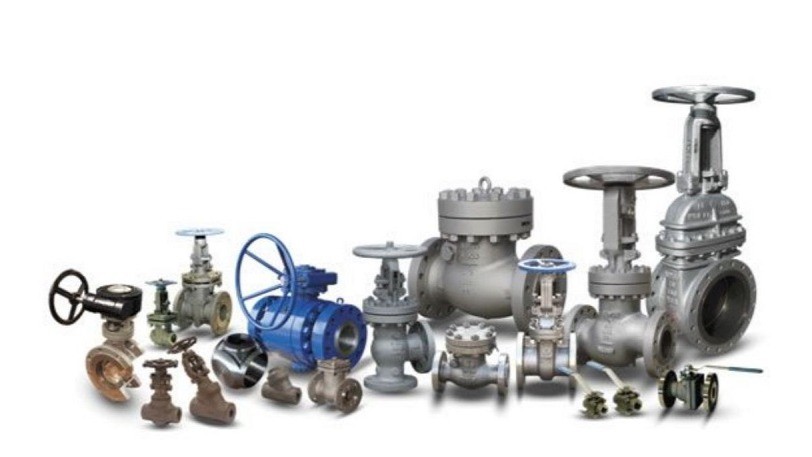

Industrial pipeline systems require valves that can be integrated with the selected pipe connections while providing the intended flow-control or isolation function. Connection design can influence installation methods, maintenance access, and the way individual sections of a pipeline are assembled. In facilities where equipment needs to be replaced or serviced periodically, understanding the valve’s connection arrangement is particularly important.
A Lug Type Butterfly Valve may be suitable for applications where its lug-style body construction, dimensions, operating mechanism, and pressure rating meet the piping specification. Lug valves typically incorporate attachment features around the body, but the exact arrangement and permitted operating configurations vary between products. Engineers should review the manufacturer’s drawings and instructions before deciding how the valve will be installed.
Identifying the Lug Connection Design
Lug butterfly valves generally have connection features that allow the body to be secured to the pipeline flanges using specified fasteners. These features may be threaded or arranged according to the particular model.
The connection design should be confirmed from the manufacturer’s documentation. Buyers need to know the flange standards, bolt pattern, fastener requirements, and pressure rating before ordering.
Some lug-style designs may support certain maintenance arrangements where a pipeline section can be disconnected while the valve remains attached to another side. However, this depends on the valve’s construction, pressure rating, installation, and manufacturer approval. Not all lug valves are suitable for end-of-line service.
How the Butterfly Disc Controls Flow
The valve uses a disc positioned within the pipeline. Rotating the disc changes the opening available for fluid movement.
Depending on its design, the valve may be used for isolation or selected flow-control applications. The operating mechanism may be a manual handle, gearbox, or actuator.
The valve’s flow characteristics, operating torque, shutoff performance, and pressure limits should be evaluated according to the intended duty. A valve selected for occasional isolation may have different requirements from one expected to operate frequently.
Body and Internal Material Selection
The valve body, disc, stem, seat, and sealing components must be suitable for the fluid and operating environment.
Industrial pipelines may transport treated water, process liquids, chemical mixtures, or other substances that require different material specifications. External exposure to moisture, temperature changes, or corrosive environments may also influence the selection.
The engineer should confirm material grades, pressure rating, and compatibility information. Where corrosive media are involved, the wetted materials should be assessed against the exact fluid composition and operating conditions.
Installation Planning
Before installation, inspect the pipeline and confirm that flange dimensions, bolt locations, fasteners, and alignment match the valve.
The valve should be handled carefully to prevent damage to the body, disc, seat, and operating mechanism. Installers should follow the manufacturer’s procedure for positioning the valve, inserting fasteners, and tightening connections.
The disc should have sufficient clearance to move through its intended range without contacting adjacent components. The installation should not create unnecessary mechanical stress on the valve.
Clearance for Handles and Actuators
Lug valves may be fitted with handles, gearboxes, or actuators, depending on the selected configuration. The operating mechanism must remain accessible after installation.
A manual handle requires enough room for movement, while a gearbox may need clearance for the operating wheel. Actuated models may require additional space for mounting, electrical wiring, or maintenance.
Designers should consider access for removing or replacing the valve as well as routine operation. A crowded pipe arrangement can make otherwise straightforward maintenance difficult.
When a Lug Configuration May Be Useful
Lug butterfly valves may be considered for industrial water systems, process pipelines, manufacturing equipment, utility networks, and other compatible applications.
The connection style may be useful where the pipeline design requires particular attachment arrangements. However, selection should also consider the valve’s pressure rating, flow capacity, material compatibility, operating frequency, and intended function.
If the application involves a specific isolation or end-of-line requirement, the manufacturer should confirm whether the valve is suitable for that arrangement.
Inspection and Maintenance
Routine inspection should include external leakage, corrosion, mounting condition, valve operation, and signs of mechanical damage. Changes in operating resistance should be investigated before applying excessive force.
Maintenance should follow the manufacturer’s instructions. Replacement fasteners, seats, seals, and other components must be appropriate for the original valve design.
The pipeline should be isolated and depressurised before maintenance begins, following the facility’s safety procedures.
Selecting a Suitable Lug Butterfly Valve
Lug-type construction can provide a practical connection arrangement for compatible piping systems. Its usefulness depends on the design, installation requirements, and permitted service conditions.
By checking the connection details, body materials, pressure rating, operating mechanism, clearance requirements, and maintenance access, engineers can make a more informed selection and ensure the valve is suited to its intended industrial application.