
Choosing construction machinery is a decision that can influence a company’s productivity, operating expenses, project capabilities, and equipment management for years. For businesses considering electric excavation equipment, the selection process should involve a thorough assessment of actual work requirements rather than relying on marketing claims or headline specifications.
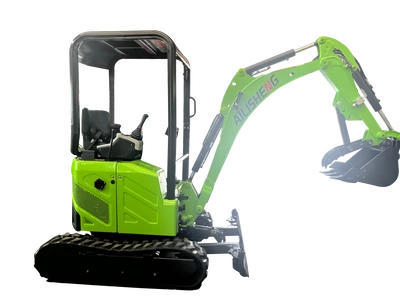
An electric mini excavator may suit contractors undertaking landscaping, utility preparation, residential construction, renovation, or work in restricted environments. However, the right model depends on how frequently it will be used, what tasks it needs to perform, and whether the business can accommodate its charging and maintenance requirements. This guide outlines the main considerations buyers should evaluate before investing.
Start by Identifying Your Business Applications
The first step is understanding the work the machine will perform. Contractors may require excavation for drainage, foundations, landscaping, underground services, property improvements, or general site preparation. Each activity can involve different digging depths, working distances, soil conditions, and equipment demands.
Businesses should review their recent projects and identify the tasks they expect to undertake most often. This provides a practical basis for equipment selection. A machine primarily used for shallow landscaping may have different requirements from one used for utility trenching or small foundation excavations.
It is also worth considering future opportunities. If the business expects to expand into new services, buyers may want a model that offers sufficient flexibility without paying for capabilities they are unlikely to use.
Evaluate Machine Size and Site Access
The excavator’s physical dimensions influence where it can be transported and operated. Width, height, operating weight, overall length, and tail swing should be compared with the access restrictions commonly encountered on projects.
Residential contractors may need to enter through narrow gates or travel along pathways. Commercial maintenance teams may work around existing buildings and landscaping. Utility contractors may need to position machinery beside roads or within limited service corridors.
Buyers should measure typical access routes and consider transport arrangements. The machine must not only reach the site but also move into the working position safely and operate with adequate clearance.
Compare Performance Specifications
Technical specifications should be reviewed in relation to real applications. Digging depth, working reach, bucket capacity, digging force, lifting capability, and dumping height can influence how effectively the machine performs excavation tasks.
Operating weight and ground pressure may also matter where the machine will work on lawns, finished surfaces, soft ground, or other sensitive areas. Contractors should verify that the machine is appropriate for the expected terrain.
When comparing models, avoid relying on a single specification. For example, maximum digging depth may be important for trenching, but reach, bucket size, positioning flexibility, and ground conditions also affect overall usefulness.
Understand Battery Capacity and Charging
Battery specifications deserve particular attention when evaluating electric equipment. Capacity provides an indication of stored energy, but operating duration depends on workload, soil conditions, attachment use, temperature, and operator behavior.
Businesses should ask suppliers about charging time, compatible electrical supply, charging equipment, battery protection features, and the manufacturer’s recommended operating practices.
A realistic charging plan should consider where the machine will be used and where it can recharge. If projects take place away from the business’s main facility, contractors may need to investigate available charging arrangements at those locations.
Examine Attachments and Versatility
Attachments can extend the range of work a mini excavator performs. Different buckets may be appropriate for trenching, general digging, grading, or material handling. Other tools may be available depending on the model and hydraulic configuration.
Before purchasing, identify the attachments needed for regular operations and verify compatibility. Buyers should confirm hydraulic flow requirements, mounting systems, weight limitations, and any restrictions specified by the manufacturer.
Attachment versatility may help a business handle more tasks with one machine, but only when the equipment is correctly configured and safely operated.
Review Maintenance, Warranty, and Service Support
Electric excavators still require routine maintenance. Tracks, hydraulic components, pins, bushings, electrical connections, structural parts, and attachments must be inspected and serviced as directed.
A business should investigate warranty coverage, parts availability, technician support, service intervals, and battery-related maintenance procedures. Reliable support can make a significant difference when machinery is required to meet tight project schedules.
The supplier’s ability to provide clear documentation and practical assistance should be part of the purchasing decision.
Calculate the Total Cost of Ownership
Purchase price is only one component of equipment investment. Businesses should estimate charging infrastructure, energy consumption, maintenance, transport, insurance, financing, storage, and potential downtime.
Comparing expected utilization with ownership costs can help determine whether purchasing makes financial sense. Contractors with occasional excavation requirements may also consider whether renting would be more appropriate.
Conclusion
Choosing an electric mini excavator requires balancing application needs, dimensions, performance, charging arrangements, attachments, service support, and cost. A systematic comparison of these factors helps businesses avoid purchasing equipment that is either insufficient for their projects or unnecessarily expensive. By focusing on realistic working conditions and long-term requirements, contractors can select machinery that supports their operations more effectively.