
Bathroom design is often shaped by practical routines: washing, grooming, bathing, and keeping the space clean. In Muslim households, ablution is another regular activity that deserves suitable consideration. Using a conventional basin for every part of wudu can be inconvenient, particularly when its height or shape makes foot washing awkward. A dedicated washing fixture offers an opportunity to organize this routine more effectively while keeping the bathroom functional for everyone in the household.
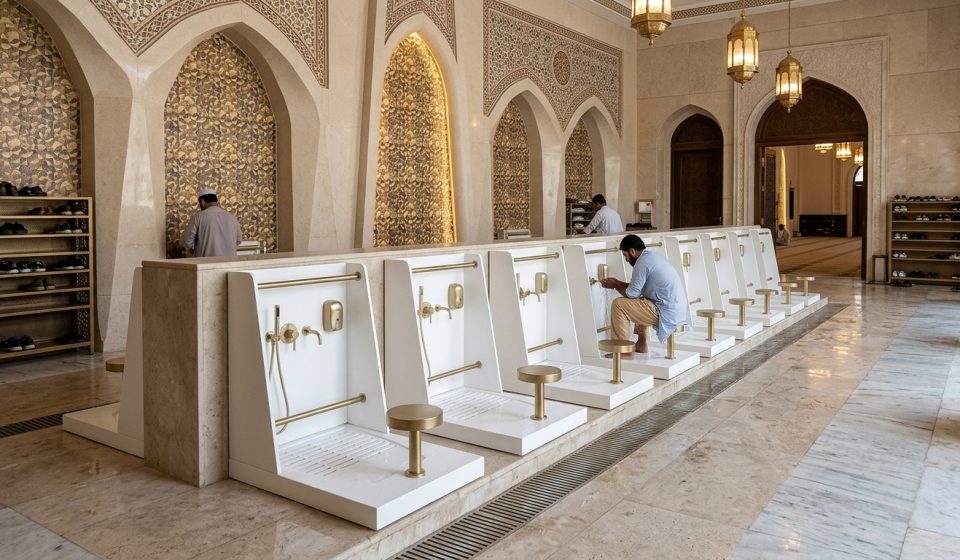
A Wudu sink is intended to support the washing movements associated with ablution. Depending on its design, it may include a lower washing area, a shaped basin, or a tap arrangement that makes rinsing more manageable. Installing one can provide a more suitable place for wudu than relying on a standard vanity basin. Its benefits depend on selecting a model that matches the available space and the needs of the people who will use it.
A More Suitable Setup for Daily Washing
An ordinary bathroom basin is generally positioned for hand and face washing. Its height may not be ideal when a person needs to wash their feet, and attempting to do so can lead to uncomfortable bending or water spilling onto the floor. A fixture designed with ablution in mind can offer a more appropriate washing position.
Some models include a separate lower section, while others use a basin shape that provides additional room. The design should be assessed according to its actual dimensions and intended use. A dedicated fixture does not replace the religious steps of wudu; rather, it can make the physical environment more convenient for carrying them out.
Better Organization of the Bathroom
Giving ablution its own place can help separate different bathroom activities. Toiletries and grooming products can remain around the main vanity, while the dedicated washing area is arranged for rinsing. This division may be especially useful in busy family bathrooms where several people share the space.
A thoughtfully positioned fixture can also help keep wet activity within a defined zone. When the basin, tap, and nearby floor are planned together, water is less likely to spread across the room. This cannot eliminate splashes entirely, but suitable drainage and water-resistant finishes can make the area easier to manage.
Greater Convenience for Different Family Members
A household may include people with different heights, ages, and mobility levels. A well-selected ablution fixture can make access more comfortable by offering a suitable height and enough room to approach the basin. Families should consider whether children can reach the tap safely and whether older relatives need additional support or clear standing space.
Where mobility is a concern, the entire area should be evaluated rather than focusing only on the basin. A stable, slip-resistant floor, accessible controls, and unobstructed circulation space can contribute to safer use. If a household member has specific accessibility requirements, professional advice can help determine the most appropriate arrangement.
A Design That Can Complement Contemporary Interiors
Dedicated ablution fixtures are available in different shapes, finishes, and installation styles. A simple form and neutral finish can work well in a minimalist bathroom, while a more distinctive basin may become a visual feature in a larger room. Wall-mounted options can create a lighter appearance and leave floor space visible, although they require suitable wall support.
Material selection should balance appearance with everyday maintenance. Smooth, non-porous surfaces are generally easier to wipe down, but the care instructions differ by material. Before buying, check whether the finish is compatible with the cleaning products commonly used in the household.
Potential Benefits for Water Management
A purpose-planned washing area can make water use easier to control. Convenient tap placement helps users direct water where it is needed, while a suitable basin shape can reduce unnecessary splashing. Choosing an appropriately rated tap may also help limit excessive flow. These details do not guarantee lower consumption, since habits and local water pressure also matter, but they can support more considered use.
Good drainage is equally important. The basin waste and surrounding floor should be able to handle regular washing. A plumber can check whether existing connections are suitable and whether any changes are needed before installation.
Plan the Installation Before Renovating
The most successful installation begins with measurements and a clear understanding of the household’s routine. Consider the basin’s dimensions, plumbing access, waterproofing, ventilation, and distance from other bathroom fixtures. Allow enough room for users to stand comfortably without obstructing doors or walkways.
A dedicated ablution station can make a modern bathroom more responsive to daily religious practice. With a suitable design and careful installation, it can improve convenience, support a tidier layout, and become a natural part of the home’s overall design.