
An efficient retail checkout process depends on more than having a capable POS terminal. Every stage, from scanning products and confirming prices to accepting payment and issuing receipts, needs to work together smoothly. When the workflow is carefully planned, employees can complete transactions more consistently while customers spend less time waiting.
ComPOSxb can be incorporated into a retail POS strategy, but businesses should evaluate the entire checkout workflow rather than focusing on the terminal alone. Barcode scanners, payment devices, receipt printers, cash drawers, software, and network connections all contribute to the overall transaction experience.
Start With the Customer Journey
The first step in workflow planning is understanding how customers move through the checkout process. A typical transaction may begin when a customer places products at the counter and end when payment is completed and a receipt is provided.
Mapping each step helps businesses identify unnecessary actions, potential delays, and equipment requirements. It also provides a clearer picture of how employees and customers will interact with the POS station.
Step 1: Product Scanning
Barcode scanning is often the first technology-driven stage of a retail transaction. Employees use a scanner to capture product information and retrieve details such as price, description, and inventory status.
The scanner should be positioned within comfortable reach and configured to work reliably with the POS software. Fast and accurate scanning can help prevent manual entry errors and keep transactions moving.
Step 2: Product and Price Verification
After products are scanned, employees may need to verify quantities, prices, discounts, or other transaction details. The POS display should present this information clearly.
A well-organized interface makes it easier for employees to identify mistakes before payment is processed. This can reduce the need for corrections, refunds, and repeated transactions.
Step 3: Managing Discounts and Promotions
Retail stores frequently apply promotions, loyalty discounts, coupons, or other price adjustments. These processes should be integrated into the POS workflow wherever possible.
Employees should be able to apply eligible discounts without navigating unnecessarily complicated menus. Clear prompts can also reduce mistakes during busy periods.
Step 4: Confirming the Transaction
Before accepting payment, employees should confirm the transaction total and ensure that all products have been entered correctly. Customers may also need an opportunity to review the amount they are being charged.
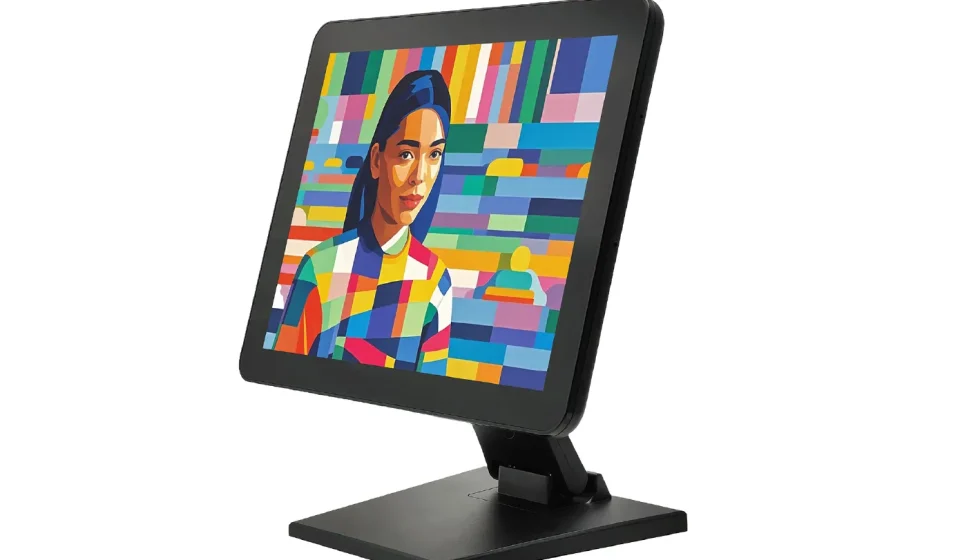
A customer-facing display can make this stage more transparent by presenting relevant transaction information directly to the buyer.
Step 5: Accepting Payment
Payment processing should be a straightforward continuation of the checkout workflow. Depending on the store, customers may pay with cash, cards, contactless methods, mobile wallets, or other supported options.
The payment terminal should be positioned where customers can easily access it without interfering with the employee’s workspace. Integration between the POS software and payment equipment can also reduce manual steps.
Step 6: Issuing the Receipt
Once payment has been approved, the transaction can be completed and a receipt issued. Businesses may provide printed receipts, digital receipts, or both, depending on customer preferences and their POS capabilities.
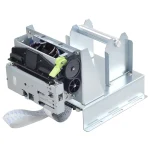
Receipt printers should be positioned so employees can retrieve receipts quickly without interrupting the checkout process. If digital receipts are supported, the software should make the process straightforward for both employees and customers.
Step 7: Updating Inventory
The checkout process can also influence inventory records. When a sale is completed, the POS system may update stock information automatically.
Accurate inventory updates can help retailers monitor product availability and identify items that need replenishment. Businesses should verify that their POS software and hardware configuration supports the required inventory functions.
Organize the Checkout Station
The physical arrangement of POS equipment can have a significant impact on workflow efficiency. Frequently used devices should be easy to access, while equipment used less often can occupy secondary positions.
A practical workstation may include:
- POS terminal
- Barcode scanner
- Payment terminal
- Receipt printer
- Cash drawer
- Customer display
The exact arrangement should reflect the store’s transaction process and available counter space.
Reduce Unnecessary Employee Movement
Repeated reaching and turning can slow down checkout operations. Employees should be able to move logically from scanning to transaction review and payment without repeatedly changing position.
Testing the workstation with actual staff can reveal inefficient equipment placement. Small adjustments to the location of a scanner or payment terminal can make the workflow more natural.
Plan for Different Transaction Types
Retail workflows need to accommodate more than standard purchases. Employees may also process returns, exchanges, discounts, gift cards, refunds, or other special transactions.
Businesses should test these scenarios when configuring their POS system. A workflow that performs well for simple purchases may require additional planning for more complex transactions.
Prepare for Busy Periods
A checkout process that works well during quiet periods may become inefficient during peak hours. Businesses should evaluate transaction speed and equipment responsiveness under realistic workloads.
Staffing levels, additional checkout stations, backup equipment, and clear procedures can all contribute to maintaining a consistent workflow when customer traffic increases.
Train Employees on the Complete Process
Training should cover the entire transaction rather than focusing only on individual devices. Employees need to understand how scanning, transaction management, payment, receipts, and corrections fit together.
Practical training with realistic scenarios can help staff become more comfortable with the system before they begin using it during busy customer periods.
Monitor and Improve the Workflow
Retail workflows can change as product ranges, customer expectations, and business processes evolve. Businesses should periodically review transaction times, employee feedback, equipment performance, and recurring checkout problems.
Identifying bottlenecks allows retailers to make targeted improvements without necessarily replacing the entire POS system.
Conclusion
Effective retail workflow planning connects every stage of the transaction, from product scanning through payment and receipt issuance. Hardware selection is important, but the way each component is positioned and integrated can have an equally significant effect on daily operations.
By planning around employee movement, customer interaction, equipment compatibility, and different transaction scenarios, retailers can create a checkout process that is efficient and easier to manage. A well-designed workflow also provides a stronger foundation for future POS improvements and business growth.