
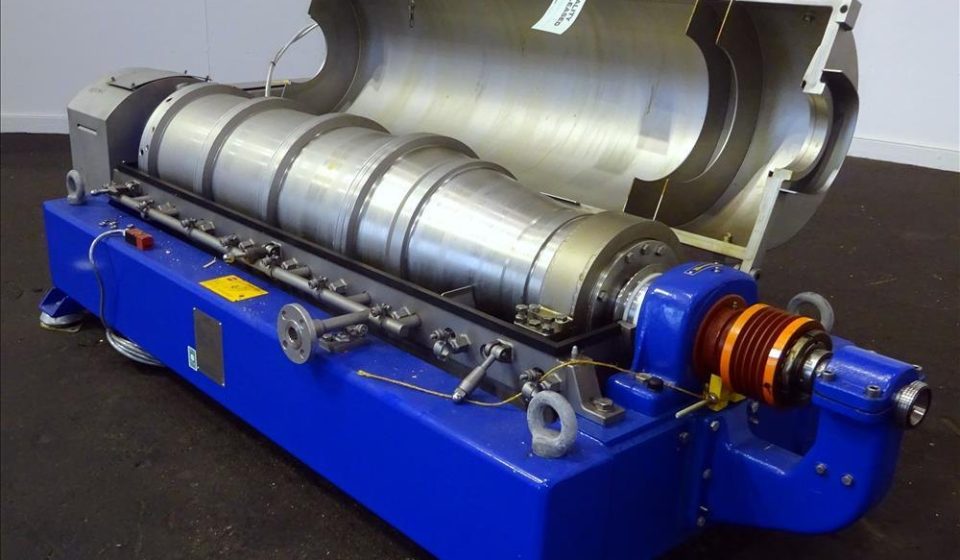

When investing in industrial separation equipment, selecting the right manufacturer is just as important as choosing the right machine. Certifications provide valuable assurance that a manufacturer follows recognized standards for quality, safety, and environmental responsibility. They also demonstrate a commitment to consistent production processes and continuous improvement, helping businesses reduce operational risks and improve long-term equipment reliability.
Choosing a certified Centrifuge Machine Manufacturer gives buyers greater confidence in the quality of the equipment and the manufacturing practices behind it. While certifications alone do not guarantee superior products, they are strong indicators that the manufacturer operates according to internationally recognized standards and maintains rigorous quality control procedures.
Table of Contents
ToggleWhy Certifications Matter
Industrial centrifuge machines often operate in demanding environments where reliability and precision are essential. Certifications help verify that manufacturers have established systems to ensure consistent product quality and safe production practices.
The benefits of working with a certified manufacturer include:
- Consistent manufacturing quality
- Improved product reliability
- Better process documentation
- Greater customer confidence
- Compliance with international standards
These advantages contribute to lower maintenance costs and more dependable equipment performance.
ISO 9001 Quality Management System
ISO 9001 is one of the most widely recognized certifications for manufacturing companies. It focuses on establishing a structured quality management system that promotes consistency and continuous improvement.
Manufacturers certified to ISO 9001 typically maintain documented procedures for:
- Product design
- Material inspection
- Production control
- Quality testing
- Customer feedback management
This certification demonstrates a commitment to delivering products that consistently meet customer and regulatory requirements.
ISO 14001 Environmental Management System
Environmental sustainability has become an important consideration across industrial manufacturing.
ISO 14001 certification shows that a manufacturer has implemented processes to reduce environmental impact through:
- Efficient resource management
- Waste reduction
- Pollution prevention
- Continuous environmental improvement
Companies seeking environmentally responsible suppliers often consider this certification an important advantage.
ISO 45001 Occupational Health and Safety
Safe manufacturing environments support both employee well-being and product quality.
ISO 45001 focuses on occupational health and safety management by helping manufacturers:
- Identify workplace hazards
- Reduce operational risks
- Improve employee safety
- Maintain structured safety procedures
A safer workplace often leads to more stable production processes and improved manufacturing consistency.
CE Compliance
For manufacturers supplying equipment to many international markets, CE marking demonstrates compliance with applicable European safety, health, and environmental requirements.
Although specific requirements vary depending on the equipment type, CE compliance generally indicates that the product has been evaluated against relevant regulatory standards before entering the market.
Material Traceability and Quality Documentation
In addition to formal certifications, reliable manufacturers maintain detailed records throughout the production process.
Important quality documentation may include:
- Raw material certificates
- Welding inspection reports
- Dimensional inspection records
- Dynamic balancing reports
- Final performance test results
Comprehensive documentation improves traceability and supports quality assurance.
Industry-Specific Standards
Certain industries require additional manufacturing standards depending on the intended application of the centrifuge machine.
For example:
- Food processing equipment may require hygienic manufacturing practices.
- Pharmaceutical applications often demand enhanced documentation and precision.
- Chemical processing equipment may require specialized corrosion-resistant materials and safety measures.
Understanding industry-specific requirements helps businesses select equipment that aligns with regulatory expectations.
Third-Party Inspection and Testing
Many manufacturers also work with independent inspection organizations to verify product quality and compliance.
Third-party evaluations may include:
- Mechanical performance testing
- Material verification
- Safety inspections
- Operational reliability assessments
Independent testing provides additional confidence that equipment meets established performance standards.
How to Verify Certifications
Before selecting a manufacturer, businesses should confirm that certifications are valid and issued by accredited certification bodies.
It is also advisable to request supporting documents, quality assurance procedures, and product testing reports. A transparent manufacturer will typically provide this information to demonstrate its commitment to quality and compliance.
Conclusion
Certifications are valuable indicators of a manufacturer’s commitment to quality, safety, environmental responsibility, and continuous improvement. Standards such as ISO 9001, ISO 14001, ISO 45001, and CE compliance help businesses evaluate suppliers based on recognized manufacturing practices rather than marketing claims alone.
By carefully reviewing certifications alongside product quality, technical expertise, and customer support, organizations can confidently choose a centrifuge machine manufacturer capable of delivering reliable equipment and long-term operational value.


