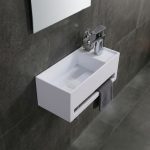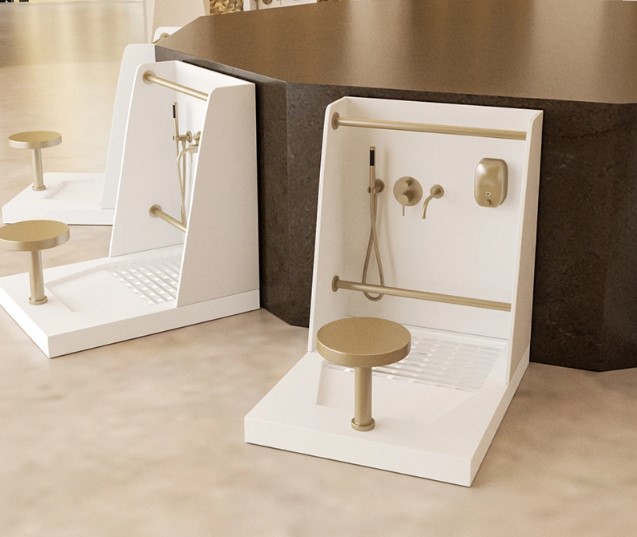

The number of people using a washing area has a direct impact on its design. A private bathroom usually needs one comfortable washing position, whereas a mosque or Islamic center may need several stations to serve visitors during busy prayer times. Choosing the right basin arrangement helps prevent crowding and makes daily ablution more convenient.
A single-user or multi-user Wudu basin serves the same basic purpose, yet each design addresses different space and usage requirements. The main differences involve basin size, faucet arrangement, user capacity, plumbing, and maintenance. Understanding these factors helps property owners select a suitable option for their building.
What Is A Single-User Wudu Basin?
A single-user basin provides one designated washing position. It usually suits residential bathrooms, small prayer rooms, and facilities where only a few people need access at a time.
Its compact structure makes it easier to fit into an existing bathroom layout. Homeowners can position it near other bathroom fixtures without dedicating a large section of the room to ablution.
Main Features Of A Single-User Basin
Single-user designs generally focus on individual comfort and efficient use of space. Depending on the model, they may include:
- One faucet and washing position
- A compact basin with suitable depth
- Wall-mounted or floor-supported installation
- A dedicated drain connection
- Simple access for cleaning and maintenance
The dimensions and height still need careful planning. A basin that looks compact may not provide enough room for comfortable foot washing.
What Is A Multiple-User Wudu Basin?
A multiple-user basin provides two or more washing positions within one installation or a connected washing area. It is common in mosques, Islamic centers, schools, and other shared facilities.
These systems help several people perform ablution at the same time. Instead of waiting for one basin to become available, users can access separate stations along a shared unit.
Main Features Of A Multiple-User Basin
A multi-user arrangement needs more space and a coordinated plumbing layout. Common features include:
- Multiple faucets or water outlets
- Separate washing positions
- A longer or modular basin structure
- Shared or connected drainage arrangements
- Additional floor space for user movement
The design needs enough distance between stations. Closely positioned faucets may increase splashing and make the washing area uncomfortable during busy periods.
Single User Vs Multiple User Wudu Basin: Key Differences
Both options support ablution, yet their layouts and practical requirements differ. The following comparison highlights the main points to consider.
| Comparison Factor | Single-User Basin | Multiple-User Basin |
| User capacity | One person at a time | Several people at once |
| Space requirement | Smaller installation area | Larger washing area |
| Faucet arrangement | Usually one faucet | Multiple faucets |
| Installation | Generally simpler | Requires coordinated planning |
| Plumbing | One washing position | Multiple water outlets and drainage needs |
| Cleaning | Smaller surface area | Larger area to maintain |
| Initial cost | Usually lower | Usually higher |
| Best suited for | Homes and small prayer rooms | Mosques and shared facilities |
Actual dimensions, installation costs, and maintenance needs depend on the selected model and building conditions.
Space Requirements And Layout Planning
Available space is one of the first factors to consider. A single-user basin fits into smaller rooms, whereas a multiple-user unit needs enough width and clearance for several people to wash comfortably.
Space Planning For Single-User Basins
A single basin can fit into a bathroom corner or a dedicated washing area. Its placement should leave enough room for users to stand, bend, and move their feet.
Check the distance between the basin and nearby walls, doors, toilets, and shower enclosures. The faucet should also remain easy to reach without restricting the washing position.
Space Planning For Multiple-User Basins
A shared washing unit needs more detailed measurements. Designers must consider the total basin length, spacing between faucets, and clearance in front of each station.
The layout should also account for people entering and leaving the area. In a mosque, a narrow passage can create congestion when many worshippers need to perform ablution before prayer.
Water Supply And Drainage Differences
The plumbing system needs to match the number of washing positions. A single-user installation generally requires fewer connections, making its water supply and drainage arrangement more straightforward.
A multiple-user basin may require a longer supply line, several faucet connections, and a drainage system capable of handling water from different stations. Poor planning can lead to slow drainage, standing water, or uneven water pressure.
Before installation, check:
- Water pressure across all faucet positions
- Pipe sizing and connection points
- Drain location and capacity
- Floor slope around the washing area
- Access to valves and plumbing components
A qualified plumber can assess these requirements before the basin enters production or installation.
Installation And Maintenance Considerations
The installation process varies according to the size and complexity of the basin. A single-user model often requires fewer plumbing adjustments and less structural preparation.
Multiple-user installations need closer coordination between the basin manufacturer, plumber, and building contractor. The supporting surface must handle the basin’s dimensions and weight, while plumbing connections need to align with every washing position.
Maintenance also differs between the two options. A single-user basin has a smaller surface area and fewer fittings to inspect. A multi-user system requires regular checks of multiple faucets, drains, joints, and surrounding floor areas.
For shared facilities, removable access panels can make plumbing inspections and repairs easier. This helps maintenance staff address problems without disrupting the entire washing area.
Cost Comparison: Which Option Requires A Larger Budget?
A single-user basin generally costs less at the initial purchase stage. Its smaller size, fewer fittings, and simpler plumbing requirements help keep the project budget manageable.
A multiple-user basin usually involves a higher initial investment. The total cost may include a larger custom unit, several faucets, additional plumbing, installation labor, and more extensive drainage work.
However, comparing the price of one basin with a multi-user system does not give a complete picture. A mosque with a large number of visitors may need several single-user basins to provide the same capacity. A shared multi-station unit may offer a more practical arrangement depending on the room layout.
Consider the full project cost, expected usage, maintenance expenses, and available space before making a decision.
Which Wudu Basin Is Better For Different Buildings?
The most suitable design depends on how many people use the facility and how frequently they need access.
Homes And Private Bathrooms
A single-user basin usually makes more sense for residential properties. It takes up less space and provides a dedicated washing position for household members.
A larger household may still need to consider usage patterns. The basin should offer comfortable dimensions and enough room for foot washing without affecting nearby bathroom fixtures.
Small Prayer Rooms
A single-user basin may suit a small prayer room with limited visitors. It keeps the washing area simple and reduces the need for extensive plumbing work.
Facilities with regular group activities may benefit from two or more separate stations. The final choice depends on visitor numbers and the available floor area.
Mosques And Islamic Centers
Multiple-user basins often work better in mosques and larger Islamic centers. Several washing positions help serve worshippers during busy periods and reduce waiting times.
The number of stations should reflect expected attendance rather than the building’s total floor area alone. Designers also need to consider entrance access, walking routes, drainage, and space for users with limited mobility.
Schools And Community Facilities
Schools and community buildings may experience changing levels of use throughout the day. A multi-user arrangement can support groups of students or visitors who need access at similar times.
Smaller facilities may prefer separate single-user units when the available space does not support a long shared basin.
Common Mistakes When Choosing Between Single And Multiple User Basins
Selecting a basin based only on its price or appearance may create problems after installation. A few planning mistakes can affect comfort, capacity, and maintenance.
- Ignoring peak usage: A single station may create long waiting times in a busy facility.
- Choosing too many stations: An oversized multi-user unit may take up space needed for movement.
- Overlooking water pressure: Several faucets may not perform properly when the supply system lacks sufficient capacity.
- Using inadequate drainage: The floor may collect water when the drain cannot handle regular use.
- Forgetting accessibility: Every washing position should provide suitable access for its intended users.
- Leaving little maintenance access: Hidden plumbing connections can make repairs more difficult.
Reviewing these points before installation helps avoid unnecessary changes and additional expenses.
Frequently Asked Questions
Is A Single-User Wudu Basin Suitable For A Mosque?
It may suit a small mosque or prayer room with limited attendance. Larger facilities generally benefit from multiple washing positions to accommodate more worshippers during busy periods.
How Many Users Can A Multiple-User Wudu Basin Accommodate?
The capacity depends on the number of faucets and the spacing between washing positions. A custom unit may include two, three, four, or more stations according to the available space and expected demand.
Does A Multiple-User Basin Need Special Plumbing?
It usually requires a coordinated water supply and drainage arrangement. The system must provide suitable water pressure across all outlets and handle the combined drainage flow.
Is A Single-User Basin Easier To Maintain?
Generally, yes. It has fewer faucets, a smaller surface area, and a simpler plumbing arrangement. Multi-user systems need more frequent checks because they contain more fittings and washing positions.
Can Multiple-User Wudu Basins Be Custom Made?
Yes. Manufacturers can design multi-station units according to room dimensions, faucet spacing, basin shape, material, and plumbing requirements. Custom planning is especially useful for mosques and large Islamic centers.
Final Thoughts
The main difference between single-user and multiple-user wudu basins comes down to capacity and installation requirements. A single-user design suits homes and smaller facilities where one washing position meets daily needs. A multiple-user arrangement serves shared spaces that experience higher demand.
Before choosing either option, assess the number of users, available space, plumbing capacity, drainage, and maintenance requirements. Manufacturers such as kingkonree can help buyers review suitable basin designs and material options for different installation settings.