
As global supply chains expand and e-commerce continues to grow, product protection during shipping has become more important than ever. At the same time, businesses are under increasing pressure to reduce their environmental footprint and adopt sustainable packaging solutions. This dual challenge has accelerated the shift toward eco-friendly alternatives that balance performance and sustainability.
One of the most effective solutions is paper pulp packaging, which offers strong protective performance while significantly reducing environmental impact. In this transition toward greener packaging systems, paper pulp packaging has emerged as a widely adopted material across multiple industries.
Table of Contents
ToggleThe Dual Challenge: Protection and Sustainability
Modern packaging must meet two critical requirements: ensuring product safety and minimizing environmental harm. Traditional materials like plastic and foam provide protection but contribute heavily to pollution and landfill waste.
Paper pulp packaging addresses both concerns by combining structural strength with eco-friendly materials, making it a practical alternative for industries seeking sustainable growth.
What Is Paper Pulp Packaging?
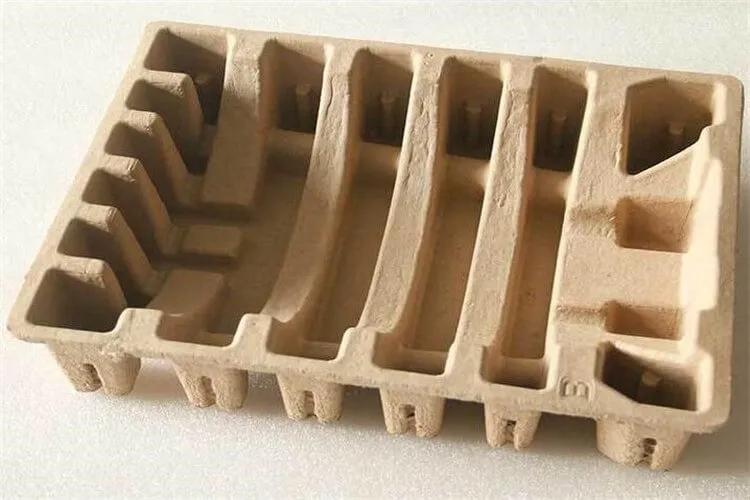
Paper pulp packaging is made from recycled paper, cardboard, and natural fibers that are processed into a moldable pulp. This pulp is shaped into protective packaging forms such as trays, inserts, and cushioning structures designed to secure products during transportation.
Because it is derived from renewable and recycled materials, it is biodegradable and recyclable, making it an environmentally responsible choice.
How Paper Pulp Packaging Protects Products
Paper pulp packaging is engineered to provide reliable protection for a wide range of products. Its structure and material composition allow it to absorb impact and reduce damage during shipping.
1. Shock Absorption
The fibrous structure of pulp packaging acts as a natural cushion, absorbing shocks and vibrations during transport. This helps protect fragile items such as electronics and glass products.
2. Custom Fit Design
Paper pulp packaging can be molded to match the exact shape of a product. This tight fit minimizes movement inside the box, reducing the risk of scratches or breakage.
3. Compression Resistance
During shipping, packages are often stacked or compressed. Paper pulp packaging provides structural strength that helps prevent deformation under pressure.
4. Secure Product Positioning
Products remain firmly in place within molded inserts, reducing internal movement and ensuring stability throughout transit.
5. Multi-Layer Protection Options
Manufacturers can design multi-layer pulp packaging for added protection, especially for high-value or fragile goods.
Environmental Benefits of Paper Pulp Packaging
In addition to protection, paper pulp packaging offers significant environmental advantages that make it a preferred choice for sustainable businesses.
Reduced Plastic Waste
It replaces plastic-based packaging materials, helping reduce pollution and landfill accumulation.
Biodegradability
Paper pulp naturally breaks down over time, reducing long-term environmental impact.
Recyclability
After use, it can be recycled and reprocessed into new packaging products, supporting circular economy systems.
Lower Carbon Footprint
Its production typically requires less energy compared to plastic manufacturing, resulting in lower greenhouse gas emissions.
Applications Across Industries
Paper pulp packaging is widely used in industries that require both protection and sustainability.
Electronics Industry
Protects delicate devices such as smartphones, laptops, and accessories from shock and vibration.
Food and Beverage Industry
Used for trays and containers that maintain hygiene while reducing plastic usage.
Cosmetics Industry
Provides elegant and protective packaging for glass bottles and premium products.
Healthcare Industry
Ensures safe transportation of sensitive medical equipment and devices.
E-commerce Sector
Reduces product damage rates during shipping and improves customer satisfaction.
Manufacturing Process Behind Paper Pulp Packaging
The production of paper pulp packaging involves several controlled stages to ensure quality and performance.
Raw Material Processing
Recycled paper and fibers are collected, cleaned, and converted into pulp.
Molding Stage
The pulp is shaped using precision molds designed for specific product requirements.
Drying Process
Molded items are dried using controlled heat or air systems to enhance durability.
Finishing and Inspection
Final products are trimmed and tested to ensure they meet quality standards.
Balancing Performance and Sustainability
One of the key strengths of paper pulp packaging is its ability to combine high performance with environmental responsibility. It provides strong product protection while minimizing waste and reducing reliance on non-renewable materials.
This balance makes it an ideal solution for companies aiming to improve both logistics efficiency and sustainability performance.
Lianpack’s Role in Sustainable Packaging Development
Companies like Lianpack contribute to the advancement of paper pulp packaging by developing innovative molded fiber solutions. Their focus on efficient production processes and recycled materials helps businesses transition toward more sustainable packaging systems.
By combining functionality with eco-friendly design, they support industries in achieving both protection and environmental goals.
Future Outlook of Paper Pulp Packaging
The future of paper pulp packaging is expected to evolve further as technology improves and sustainability demands increase. Manufacturers are working on enhancing material strength, moisture resistance, and production efficiency.
Key trends include:
- Use of alternative natural fibers
- Improved water-resistant coatings
- Expansion into premium packaging markets
- Greater automation in manufacturing processes
These innovations will continue to expand the role of paper pulp packaging in global supply chains.
Conclusion
Paper pulp packaging offers a powerful combination of product protection and environmental sustainability. Its ability to reduce damage during shipping while minimizing ecological impact makes it a preferred solution for modern industries.
As global demand for eco-friendly packaging continues to grow, companies like Lianpack are helping drive this transformation through innovative molded fiber solutions. This shift represents a significant step toward a more sustainable and responsible future in packaging.