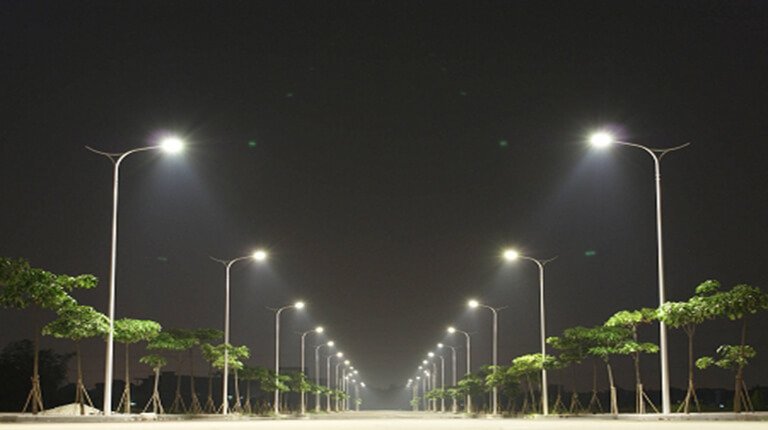

Street lighting is undergoing a significant transformation as cities and infrastructure developers look for more efficient, reliable, and environmentally responsible solutions. Traditional lighting systems are increasingly being replaced by LED technology, which offers improved energy efficiency, flexible lighting control, and opportunities for long-term operational savings. At the same time, advances in electronics, materials, automation, and connected technologies are changing how outdoor lighting products are designed and manufactured.
The modern LED Street Light Factory plays an important role in this transition by combining advanced manufacturing methods with improved product engineering and quality management. As demand for intelligent and sustainable infrastructure grows, manufacturers must consider not only how much light a fixture produces but also how efficiently it operates, how long it lasts, and how responsibly it is produced. Understanding these developments provides useful insight into the future of the street lighting industry.
1. The Growing Demand for Energy-Efficient Street Lighting
Energy consumption is a major consideration for municipalities, transportation authorities, and commercial property developers. Street lighting often operates for many hours each day, making electricity costs an important part of infrastructure budgets.
LED technology offers an alternative to many conventional lighting systems. LEDs convert electrical energy into light more efficiently and provide greater flexibility in controlling illumination.
Several factors are contributing to the continued adoption of LED street lights:
- Lower electricity consumption compared with many traditional lighting technologies.
- Improved control over light distribution.
- Longer potential service life under suitable operating conditions.
- Reduced maintenance requirements.
- Compatibility with dimming and smart control systems.
Future manufacturing developments will likely focus on improving the efficiency of complete lighting fixtures rather than concentrating exclusively on the performance of individual LED chips.
2. Advanced LED Components and Improved Performance
The quality of a street light depends on the combined performance of its electronic, optical, and mechanical components. Improvements in these areas are helping manufacturers develop more efficient and dependable products.
High-performance LED chips
LED chip technology continues to develop, offering opportunities for improved luminous efficacy, color consistency, and thermal performance. These characteristics influence how effectively a fixture converts electricity into useful illumination.
More reliable LED drivers
Drivers regulate the electrical power supplied to LED modules. Future designs will continue to emphasize electrical efficiency, surge protection, stable output, and compatibility with advanced dimming systems.
Improved optical lenses
Optical engineering helps direct light toward roads, sidewalks, and other target areas. Better lens designs can improve illumination uniformity while reducing unnecessary light spill.
Advanced thermal management
Heat affects LED performance and component longevity. Manufacturers are therefore paying close attention to housing materials, heat sinks, circuit board design, and airflow management.
Together, these improvements can help produce street lights that deliver consistent performance while using energy more effectively.
3. Automation and Smart Manufacturing
Manufacturing technology is changing how lighting products are assembled, inspected, and tested. Automation can improve production consistency, reduce certain assembly errors, and help factories manage increasing order volumes.
Modern manufacturing facilities may use automated processes for circuit board assembly, component placement, soldering, and selected inspection tasks.
Digital production management systems can also help manufacturers monitor:
- Production quantities.
- Component inventory.
- Assembly progress.
- Inspection results.
- Equipment performance.
- Product traceability.
Automation does not eliminate the need for skilled workers. Technical knowledge remains essential for product design, process management, equipment maintenance, and quality evaluation.
The most effective manufacturing operations combine suitable automation with trained personnel and clearly defined production procedures.
4. The Development of Smart Street Lighting
One of the most important trends in outdoor lighting is the integration of connected control technologies.
Smart street lighting systems can use sensors, communication modules, and centralized management platforms to adjust lighting according to operating conditions.
Depending on the system design, possible capabilities include:
- Scheduled dimming.
- Remote switching.
- Motion-responsive lighting.
- Energy consumption monitoring.
- Fault notifications.
- Individual fixture management.
These functions can help municipalities improve operational visibility and organize maintenance more effectively.
For manufacturers, this trend creates new design requirements. Fixtures may need compatible drivers, control interfaces, communication modules, and standardized connections.
Successful integration depends on confirming compatibility between the lighting hardware, control devices, communication protocols, and management software.
5. Sustainability Across the Manufacturing Process
Sustainability is becoming an increasingly important consideration throughout the lighting supply chain. Energy-efficient products can reduce electricity demand during operation, but responsible manufacturing also requires attention to materials, production processes, packaging, and product disposal.
Manufacturers can explore several approaches to reducing environmental impact.
Responsible material selection
Using durable materials and considering recyclable components can help reduce waste and support more responsible resource management.
Efficient production processes
Improving production planning, reducing rejected components, and optimizing equipment operation can lower material and energy waste.
Reduced packaging waste
Appropriate packaging design can protect products during transportation while avoiding unnecessary materials.
Longer product service life
Reliable components and effective thermal management can reduce the frequency of fixture replacement, helping limit material consumption over time.
End-of-life considerations
Designing products with accessible components and clearer material separation can make repair, refurbishment, and recycling more practical.
Sustainability should therefore be evaluated across a product’s entire lifecycle rather than through energy consumption alone.
6. Better Thermal Management for Longer Service Life
Thermal management remains a central challenge in LED street light design. Although LEDs are generally efficient, they still generate heat that must be managed to protect sensitive components.
Excessive operating temperatures can accelerate degradation and affect the performance of LED modules and drivers.
Manufacturers are exploring improvements such as:
- Optimized aluminum housing designs.
- More effective heat-dissipation structures.
- Improved thermal interface materials.
- Better circuit board arrangements.
- Temperature-aware driver protection.
The objective is to maintain suitable operating conditions under different outdoor temperatures and installation environments.
For buyers, reviewing thermal design information and relevant test results can provide a better understanding of product reliability.
7. Advanced Testing and Quality Assurance
As lighting technology becomes more sophisticated, product testing and quality management are becoming increasingly important.
A modern manufacturing process should include inspections at multiple stages, from incoming components to finished fixtures.
Relevant quality checks may cover:
Electrical performance: Verification of input characteristics, power consumption, and operating stability.
Photometric performance: Measurement of luminous output, distribution, and other optical characteristics.
Thermal behavior: Assessment of temperature under specified operating conditions.
Environmental protection: Testing for resistance to dust and water according to the applicable ingress protection rating.
Surge protection: Evaluation of the fixture’s ability to withstand specified electrical disturbances.
Mechanical construction: Inspection of housing strength, mounting arrangements, and assembly quality.
Digital records and product traceability can further improve quality management by making it easier to identify production batches and investigate potential defects.
8. The Importance of Modular Street Light Design
Modular product architecture is another development with practical benefits for manufacturers and maintenance teams.
In a modular street light, selected components can be designed for easier access, replacement, or upgrading. Depending on the product, these components may include LED modules, drivers, optical units, and control devices.
Potential benefits include:
- Simplified maintenance procedures.
- Easier replacement of selected components.
- Reduced need to discard complete fixtures after certain failures.
- Greater flexibility when upgrading control systems.
- Improved access to spare parts.
Modular designs must still provide suitable electrical connections, mechanical protection, and environmental sealing. Buyers should confirm that replacement components remain compatible with the original product.
9. Optical Innovation and Better Light Distribution
The future of street lighting is not simply about producing more brightness. Effective illumination requires light to be distributed where it is needed while limiting glare and unnecessary light spill.
Optical engineering can help manufacturers develop products for different road layouts and outdoor environments.
Innovations may include improved lens geometries, more precise LED arrangements, and application-specific optical configurations.
These developments can support:
- Better illumination uniformity.
- More appropriate road coverage.
- Reduced glare.
- Improved control of light spill.
- More efficient use of installed electrical power.
Lighting simulation tools are also valuable because they allow engineers to assess fixture performance under different mounting heights, pole spacing, and road conditions before installation.
10. Integration With Renewable Energy Systems
Renewable energy is creating additional opportunities for outdoor lighting development. Solar-powered street lights, for example, combine LED fixtures with photovoltaic panels, battery storage, and charging controllers.
These systems can be useful in locations where grid connections are difficult or expensive to establish.
A typical solar street lighting system may include:
- An LED lighting fixture.
- A solar photovoltaic panel.
- A rechargeable battery.
- A charge controller.
- A lighting control system.
- Mounting and support structures.
Manufacturers must consider battery capacity, charging performance, weather conditions, operating schedules, and backup requirements when designing these products.
Solar lighting is not suitable for every application, but continued improvements in batteries and energy management may expand its practical use.
11. Data-Driven Product Development
Digital technologies are also changing how manufacturers improve their products.
Production records, field performance information, testing results, and maintenance feedback can help identify recurring problems and opportunities for design improvements.
For example, manufacturers may use operational data to investigate:
- Common driver failures.
- Temperature-related performance issues.
- Component replacement patterns.
- Installation-related problems.
- Differences between laboratory and field performance.
This information can support more informed decisions about component selection, product design, and quality control.
However, collecting useful data requires reliable documentation and appropriate analysis. Manufacturers should also respect customer privacy and follow relevant data protection requirements when connected lighting systems collect operational information.
12. Challenges Facing Future LED Street Light Manufacturers
Despite ongoing technological progress, the industry faces several challenges.
Managing component costs
Advanced chips, drivers, control modules, and specialized materials can increase manufacturing expenses. Factories must balance product performance with commercial requirements.
Maintaining consistent quality
As production volumes increase, manufacturers need reliable suppliers, standardized assembly procedures, and effective inspection systems.
Supporting different market requirements
International buyers may require different electrical specifications, certifications, mounting configurations, and environmental protection levels.
Integrating connected technologies
Smart lighting introduces compatibility and cybersecurity considerations that manufacturers must address through appropriate product design and system testing.
Reducing environmental impact
Improving energy efficiency is important, but manufacturers must also consider raw material sourcing, production waste, transportation, repairability, and recycling.
Addressing these challenges will require continuous investment in engineering, manufacturing processes, and technical expertise.
13. What Buyers Should Look for in a Future-Ready Factory
For distributors, contractors, and infrastructure developers, selecting a manufacturer involves evaluating more than its current product catalog. Buyers should consider whether the factory can support evolving project requirements and maintain consistent product quality.
Important evaluation criteria include:
- Technical expertise: Can the manufacturer explain LED components, optical performance, and thermal management?
- Production capability: Does it have the equipment and workforce required for large orders?
- Quality assurance: Are testing procedures and inspection records available?
- Smart lighting compatibility: Can its products support the required control technologies?
- Customization: Can the factory adapt product configurations for different applications?
- Sustainability practices: Does it consider material efficiency, packaging, and product lifecycle?
- Technical documentation: Can it provide accurate datasheets, photometric files, and relevant test reports?
- After-sales support: Are warranty conditions, replacement parts, and technical assistance clearly defined?
Requesting samples and reviewing documentation before mass production can help buyers verify whether a manufacturer’s capabilities match their expectations.
14. The Role of Industry Standards and Collaboration
Future progress in LED street lighting will also depend on cooperation between manufacturers, component suppliers, lighting designers, infrastructure developers, and regulatory organizations.
Industry standards help establish common requirements for electrical safety, photometric performance, electromagnetic compatibility, and environmental protection.
Manufacturers must stay informed about the requirements of their target markets and ensure that products are tested and documented appropriately.
Collaboration is equally important when developing smart lighting systems. Fixture manufacturers and technology providers need to coordinate interfaces, communication protocols, control functions, and maintenance arrangements.
This cooperation can help reduce integration problems and support more practical lighting solutions.
Conclusion
The future of LED street light manufacturing will be shaped by improvements in energy efficiency, smart technology, automation, optical engineering, and sustainable production. These developments are changing both the products factories create and the processes used to manufacture them.
Manufacturers that combine reliable components, effective thermal management, advanced testing, and responsible material practices will be better positioned to meet evolving infrastructure requirements. Meanwhile, smart controls and modular designs offer opportunities to improve maintenance and manage lighting systems more effectively.
For buyers, understanding these trends makes it easier to evaluate suppliers and select products that meet current project needs while allowing room for future development. As cities continue to modernize their infrastructure, innovative and sustainable LED street lighting will remain an important part of creating efficient, dependable outdoor environments.