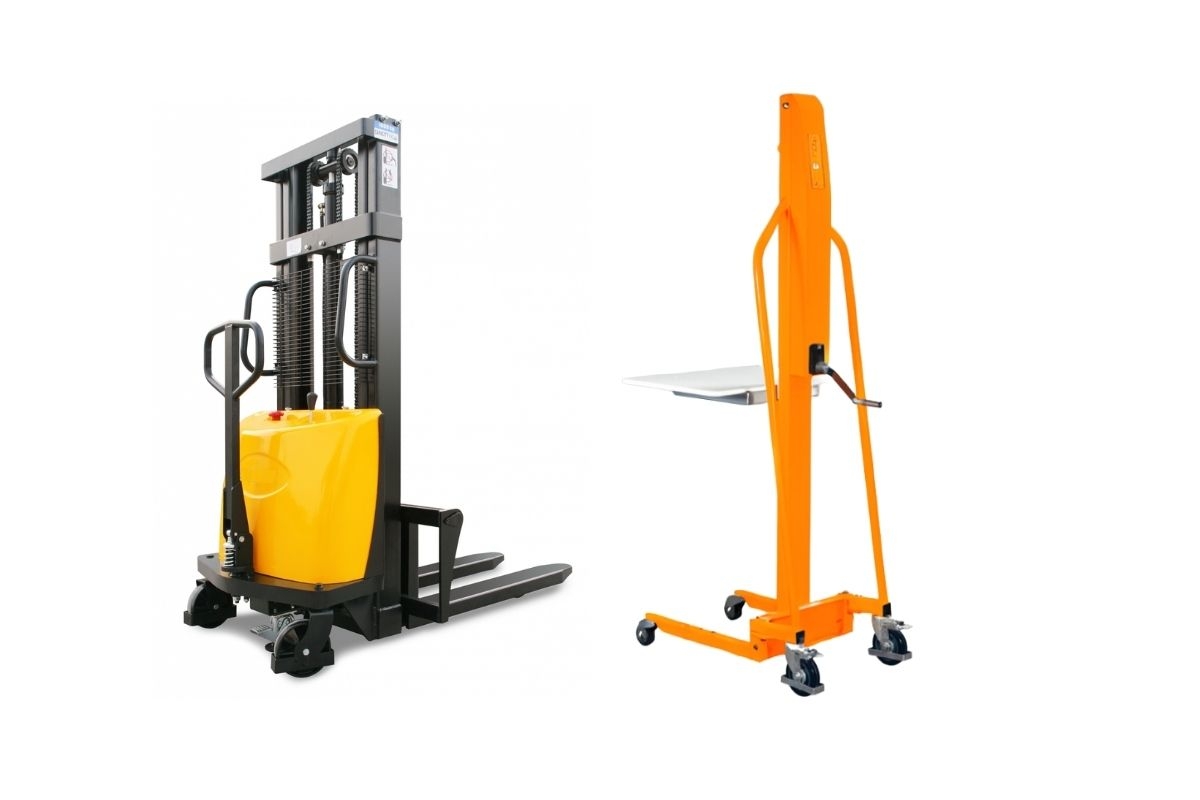

Electric stackers have become an essential part of modern warehouse and logistics operations, offering efficient lifting, stacking, and transporting of goods in confined spaces. Their reliability and performance are not accidental; they are the result of carefully engineered manufacturing processes that combine mechanical precision, electrical systems, and strict quality control.
Understanding how these machines are produced helps businesses appreciate the value behind choosing a reputable Electric Stacker Manufacturer. Companies such as Meenyon focus on delivering durable and efficient material handling solutions designed for demanding industrial environments. Reviewing products like Electric Stacker Manufacturer offerings provides insight into how advanced engineering and production standards shape the final equipment.
Table of Contents
ToggleDesign and Engineering Development
The manufacturing process begins long before physical production. It starts with research, design, and engineering development, where manufacturers define performance requirements and operational goals.
During this stage, engineers focus on:
- Load capacity requirements for different warehouse environments
- Structural stability and weight distribution design
- Energy efficiency and motor performance optimization
- Operator safety and ergonomic considerations
Computer-aided design (CAD) tools are commonly used to create precise models that simulate real-world usage conditions before production begins.
Material Selection and Preparation
Material selection plays a critical role in determining the strength and durability of electric stackers. Manufacturers carefully choose materials that can withstand continuous industrial use.
Common materials include:
- High-strength steel for the frame and forks
- Reinforced alloys for load-bearing components
- Industrial-grade plastics for protective covers
- Heat- and corrosion-resistant coatings
These materials are prepared and tested to ensure they meet strict durability and safety standards before entering the production line.
Component Manufacturing and Fabrication
Once materials are selected, individual components are manufactured through precision fabrication processes. This stage involves cutting, shaping, and forming parts that will later be assembled into a complete machine.
Key fabrication processes include:
- Laser cutting for high-precision steel components
- Welding for structural assembly strength
- CNC machining for mechanical accuracy
- Surface treatment for corrosion resistance
Each component must meet exact specifications to ensure proper alignment and performance during final assembly.
Electrical System Integration
Electric stackers rely heavily on integrated electrical systems for lifting and movement. This stage involves assembling and installing key electrical components that power the equipment.
Important electrical elements include:
- Electric motors for lifting and driving functions
- Battery systems for energy storage and operation
- Wiring harnesses for power distribution
- Control units for operational management
Manufacturers ensure all electrical systems are properly insulated, tested, and optimized for energy efficiency and safety.
Assembly and System Integration
After individual components are produced, they are assembled into a complete electric stacker. This process requires precision to ensure all mechanical and electrical systems work together seamlessly.
Assembly typically includes:
- Frame construction and structural alignment
- Installation of lifting mechanisms and hydraulic systems
- Integration of electrical and control systems
- Fitting of safety components and operator controls
At this stage, manufacturers ensure that all systems are correctly calibrated for smooth and reliable operation.
Quality Control and Testing
Quality control is one of the most important stages in the manufacturing process. Every electric stacker must undergo strict testing before it is approved for distribution.
Testing procedures include:
- Load testing under maximum capacity conditions
- Stability testing during lifting and movement
- Electrical safety inspections
- Continuous operation durability tests
These tests help identify potential issues and ensure that only fully compliant equipment reaches the market.
Safety Compliance and Certification
Reputable manufacturers follow international safety standards to ensure equipment reliability. Compliance with these standards is essential for reducing workplace risks and maintaining operational safety.
Common certifications and standards include:
- ISO quality management systems
- Electrical safety regulations
- Mechanical performance standards
- Environmental and energy efficiency requirements
Compliance ensures that equipment meets global expectations for safety and performance.
Final Inspection and Delivery Preparation
Before shipment, each electric stacker undergoes a final inspection to confirm that all systems function correctly. This includes visual checks, performance validation, and packaging preparation.
Final steps include:
- Functional testing of all control systems
- Inspection of structural integrity
- Verification of safety features
- Secure packaging for transportation
Only after passing these inspections is the equipment released for delivery to customers.
Conclusion
The manufacturing process behind modern electric stackers is a complex and highly structured system that combines engineering design, precision fabrication, electrical integration, and rigorous quality control. Each stage plays a vital role in ensuring that the final product is safe, reliable, and efficient.
By working with experienced manufacturers like Meenyon, businesses gain access to equipment built through strict production standards and advanced engineering practices. Understanding this process helps companies make informed decisions when selecting an Electric Stacker Manufacturer, ensuring long-term value, safety, and operational efficiency in warehouse environments.