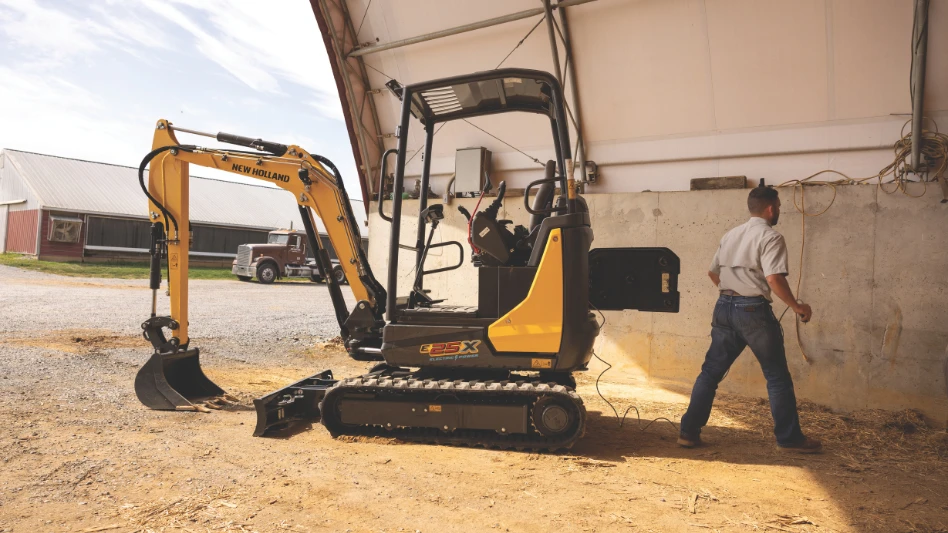
Electric mini excavators are becoming an increasingly important part of modern construction equipment fleets. Contractors today are not only looking for machines that deliver performance but also those that reduce operating costs, meet environmental regulations, and improve job site efficiency. Electric models offer a strong combination of these benefits, making them a practical choice for a wide range of projects.
When exploring an electric mini excavator for sale, contractors need to consider several factors beyond price. Understanding machine specifications, job site requirements, long-term costs, and operational needs is essential to making the right investment decision.
Why Electric Mini Excavators Are Gaining Popularity
The construction industry is shifting toward cleaner and more efficient technologies. Electric mini excavators are at the center of this transition due to their ability to perform effectively while reducing environmental impact.
Key reasons for growing adoption include:
Zero direct emissions during operation
Lower noise levels for urban job sites
Reduced fuel dependency
Lower long-term maintenance costs
These advantages make them especially suitable for residential, municipal, and indoor projects.
Understanding Your Project Requirements
Before purchasing, contractors should clearly define the type of work the machine will perform. Different projects require different capabilities.
Important considerations include:
Excavation depth and reach requirements
Job site size and accessibility
Soil and terrain conditions
Frequency of machine usage
Attachment needs for specialized tasks
A clear understanding of project demands helps ensure the selected machine is neither underpowered nor oversized.
Key Specifications to Evaluate
When comparing models, technical specifications play a critical role in performance and efficiency.
Important specifications include:
Operating weight and stability
Battery capacity and runtime
Hydraulic system performance
Digging depth and bucket force
Travel speed and maneuverability
These factors determine how well the machine will perform in real-world conditions.
Battery Performance and Charging Considerations
Battery technology is one of the most important aspects of electric mini excavators. Contractors should carefully evaluate energy capacity and charging requirements.
Key points to review:
Operating hours per charge
Charging time and infrastructure needs
Battery lifespan and cycle durability
Performance consistency under load
Efficient battery systems reduce downtime and improve productivity on job sites.
Cost of Ownership and Long-Term Value
While electric mini excavators may have a higher initial purchase cost, they often provide better long-term value.
Cost advantages include:
No diesel fuel expenses
Reduced maintenance and servicing needs
Fewer mechanical breakdowns
Predictable electricity-based operating costs
Over time, these savings can significantly improve return on investment.
Operator Comfort and Safety Features
Operator experience plays a major role in productivity and job site safety. Modern electric mini excavators are designed with improved ergonomics and safety systems.
Key features include:
Comfortable and adjustable seating
Reduced vibration and noise
Clear visibility from the operator cabin
Emergency stop and safety systems
A safer and more comfortable operator environment leads to better efficiency.
Attachments and Versatility
One of the biggest advantages of mini excavators is their compatibility with a wide range of attachments.
Common attachments include:
Digging and trenching buckets
Hydraulic breakers
Augers for drilling
Grapples for material handling
This versatility allows contractors to complete multiple tasks with a single machine.
Maintenance Requirements
Electric mini excavators typically require less maintenance than diesel models, but regular care is still essential.
Maintenance considerations include:
Battery care and charging practices
Hydraulic system inspections
Electrical system checks
Undercarriage cleaning and maintenance
Proper maintenance ensures long-term reliability and performance.
Choosing the Right Supplier
Selecting a reliable supplier is just as important as choosing the machine itself. Contractors should look for manufacturers or dealers that offer strong support and service.
Important factors include:
Product quality and certifications
Availability of spare parts
After-sales service support
Warranty coverage
A trusted supplier ensures smoother operation and reduced downtime.
Conclusion
Electric mini excavators are becoming a smart investment for contractors seeking efficiency, sustainability, and long-term cost savings. By carefully evaluating project requirements, machine specifications, and operational needs, buyers can make informed decisions that enhance productivity and profitability.
For professionals looking to upgrade their equipment, exploring an electric mini excavator for sale is a strategic step toward modern, efficient, and environmentally responsible construction practices.