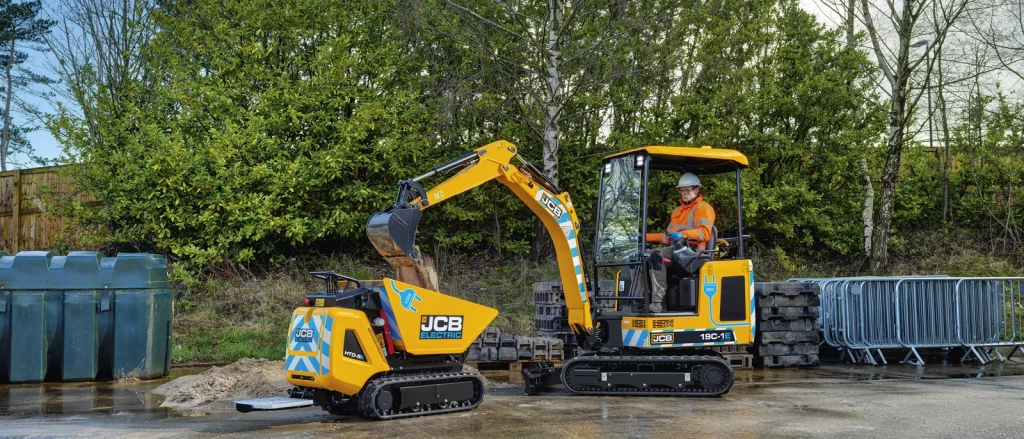

Electric mini excavators are becoming an increasingly attractive option for contractors and construction businesses looking to improve efficiency while reducing long-term operating costs. As the industry shifts toward cleaner and more energy-efficient machinery, understanding the financial impact of adopting electric equipment is essential.
When evaluating an electric mini excavator for sale, cost analysis and return on investment (ROI) play a central role in the decision-making process. Beyond the initial purchase price, factors such as energy consumption, maintenance savings, and productivity gains determine the true financial value of the machine.
Table of Contents
ToggleUnderstanding the Total Cost of Ownership
The total cost of ownership (TCO) includes all expenses associated with operating an electric mini excavator over its lifetime. This goes beyond the upfront purchase cost and includes energy usage, maintenance, repairs, and downtime.
Electric mini excavators generally offer a lower TCO compared to diesel machines due to reduced fuel dependency and fewer mechanical components.
Initial Investment vs. Long-Term Value
Electric mini excavators may have a higher initial purchase price compared to traditional models, depending on battery capacity and technology. However, this upfront cost is often offset by long-term savings.
Over time, reduced fuel expenses and lower maintenance requirements contribute significantly to overall financial efficiency.
Fuel Savings and Energy Efficiency
One of the most immediate cost advantages of electric mini excavators is the elimination of diesel fuel consumption. Electricity is typically more cost-effective than fuel, especially when sourced from stable energy grids or renewable systems.
This leads to consistent operational savings, particularly for businesses with frequent equipment usage.
Maintenance Cost Reduction
Electric mini excavators have fewer moving parts than diesel-powered machines, resulting in significantly lower maintenance requirements. There is no need for oil changes, fuel filters, or exhaust system repairs.
Reduced maintenance not only lowers costs but also decreases downtime, allowing for more productive work hours.
Productivity and Revenue Impact
Higher productivity directly improves return on investment. Electric mini excavators are designed for efficient operation in compact and urban environments, allowing contractors to complete more projects in less time.
Improved cycle times, precision control, and reduced downtime all contribute to higher revenue potential.
Battery Life and Replacement Considerations
Battery systems are a major component of long-term cost planning. While modern lithium-ion batteries offer long service life, they will eventually degrade and require replacement.
Understanding battery lifespan and replacement costs is important for accurate ROI calculations.
Operational Efficiency and Job Site Flexibility
Electric mini excavators provide flexibility in various environments, including urban, indoor, and noise-sensitive sites. This allows contractors to take on a wider range of projects, increasing business opportunities.
Greater job site access can lead to higher utilization rates and improved profitability.
Environmental Compliance and Cost Benefits
Environmental regulations are becoming stricter in many regions. Electric mini excavators help businesses comply with these regulations, reducing the risk of fines or project limitations.
Additionally, companies using sustainable equipment may qualify for incentives or preferred bidding opportunities in public projects.
Depreciation and Resale Value
Like all construction equipment, electric mini excavators depreciate over time. However, demand for environmentally friendly machinery is increasing, which may help support stronger resale value in the future.
Proper maintenance and responsible usage can further preserve equipment value.
Calculating Return on Investment
ROI for electric mini excavators is typically calculated by comparing total savings and revenue gains against the initial investment. Key contributors include:
- Fuel savings over time
- Reduced maintenance expenses
- Increased job site productivity
- Expanded project opportunities
- Lower downtime costs
When combined, these factors often result in a favorable long-term financial outcome.
Strategic Investment for Growing Businesses
For many contractors, investing in electric equipment is not just a cost decision but a strategic move. It allows businesses to modernize operations, improve efficiency, and remain competitive in a changing industry.
Electric mini excavators can support both short-term project needs and long-term business growth strategies.
Conclusion
A detailed cost analysis of electric mini excavators shows that while initial investment may be higher, long-term savings and operational benefits often result in strong return on investment. Reduced fuel usage, lower maintenance costs, and increased productivity all contribute to financial efficiency. When selecting an electric mini excavator for sale, considering ROI helps ensure a smarter investment that supports both profitability and sustainable construction practices.