Steel structures used in large infrastructure projects must withstand harsh weather, heavy loads, and long-term environmental exposure. Transmission towers and bridges are especially vulnerable to corrosion because they are constantly exposed to moisture, wind, and changing temperatures. For this reason, protective surface treatment is essential to ensure long service life and structural safety.
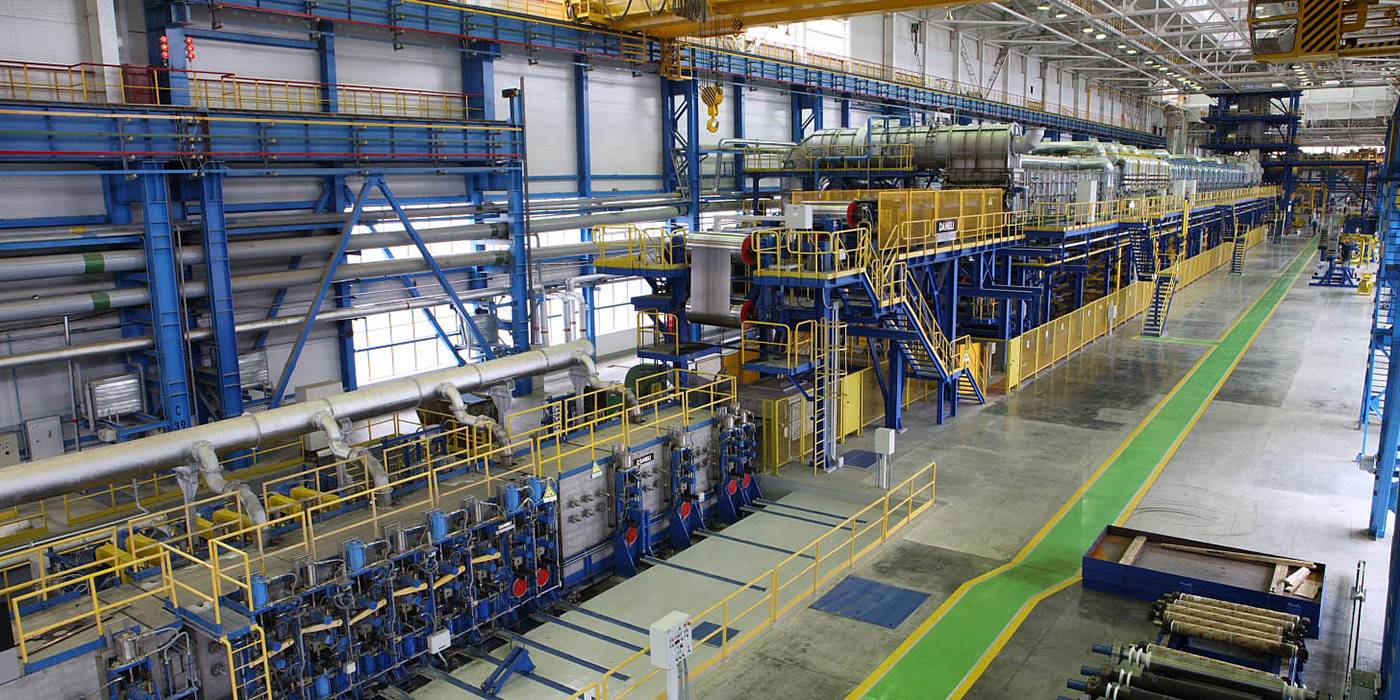
A well-managed hot dip galvanizing line provides a strong and durable zinc coating that is widely used for protecting steel components in these critical infrastructure systems.
Importance of Corrosion Protection in Large Structures
Transmission towers and bridges are designed for decades of service without frequent replacement. Any corrosion damage can compromise structural strength and safety.
Without protection, steel may suffer from:
Gradual weakening of load-bearing parts
Rust formation in joints and connections
Reduced stability under environmental stress
Higher maintenance and repair requirements
Galvanizing helps prevent these issues by forming a long-lasting protective layer.
Use in Electrical Transmission Towers
Transmission towers carry high-voltage power lines across long distances, often through remote and harsh environments. These structures are exposed to rain, humidity, wind, and industrial pollution.
Galvanized steel is used in:
Tower legs and support frames
Cross arms and brackets
Bolts, nuts, and fastening systems
Secondary structural reinforcements
The zinc coating protects these components from corrosion, ensuring stable electrical infrastructure performance.
Application in Bridge Construction
Bridges require strong steel components that can support heavy traffic loads while resisting environmental wear. Galvanized steel is commonly used in both structural and supporting parts.
Typical bridge applications include:
Steel beams and girders
Suspension cables and hangers
Guardrails and safety barriers
Expansion joints and connectors
The protective coating helps maintain structural integrity even in high-moisture or coastal regions.
Performance in Harsh Weather Conditions
Both towers and bridges are exposed to extreme environmental conditions, including rain, snow, and salt-laden air in coastal areas. These conditions accelerate corrosion if steel is not properly protected.
Galvanized coatings provide resistance against:
Rainwater and humidity
Road salts used in winter maintenance
Coastal salt spray
Industrial pollution in urban areas
This makes galvanizing highly suitable for long-term outdoor infrastructure.
Structural Durability and Load Stability
Infrastructure projects require materials that maintain strength over long periods. Corrosion can weaken joints and reduce load-bearing capacity if not controlled.
Galvanized steel helps maintain:
Mechanical strength of structural members
Stability of bolted and welded joints
Resistance to fatigue over time
Overall safety of large structures
This contributes to safer and more reliable infrastructure systems.
Fabrication and Assembly Benefits
Galvanized steel used in towers and bridges is often fabricated in controlled environments before installation. This improves quality and ensures uniform coating coverage.
Benefits during fabrication include:
Easier handling during assembly
Reduced need for additional surface treatment
Improved resistance during transport and installation
Consistent coating across complex shapes
These advantages help simplify construction processes.
Long-Term Maintenance Reduction
One of the major advantages of galvanizing is reduced maintenance needs. Large structures are difficult and costly to maintain, especially when located in remote or elevated areas.
Galvanized steel helps reduce:
Frequent repainting requirements
Repair of corroded components
Inspection-related downtime
Long-term maintenance costs
This makes it a cost-effective solution for public infrastructure.
Role of Continuous Galvanizing Production
Steel used in infrastructure projects often originates from continuous coating systems that ensure uniform quality and coating thickness. A stable hot dip galvanizing line allows manufacturers to supply steel that meets strict engineering standards.
This ensures that every component used in towers and bridges has reliable corrosion protection from the start of its service life.
Conclusion
Transmission towers and bridges require strong, durable materials capable of withstanding decades of environmental exposure and mechanical stress. Galvanized steel plays a vital role in ensuring safety, stability, and long-term performance in these structures.
A properly operated hot dip galvanizing line supports the production of high-quality coated steel used in critical infrastructure projects. Through its reliable protective properties, galvanizing remains an essential part of modern civil engineering and large-scale construction.