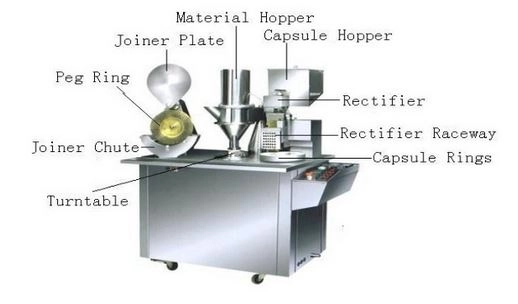

In modern pharmaceutical manufacturing, production speed and dosing accuracy are two critical performance benchmarks that directly influence profitability, compliance, and product quality. As demand for capsules continues to grow across global healthcare and nutraceutical markets, manufacturers are increasingly shifting toward advanced automation to stay competitive.
An automatic capsule filling machine is designed to streamline the entire capsule production process with minimal human intervention, ensuring faster output while maintaining highly accurate dosage control. It represents a major step forward from semi-automatic systems, especially in large-scale production environments where consistency and efficiency are essential.
The Role of Automation in Capsule Manufacturing
Automation has transformed pharmaceutical production by reducing manual dependency and increasing process reliability. In capsule filling, automated systems handle multiple stages of production seamlessly, ensuring smooth workflow from start to finish.
An automatic capsule filling machine integrates mechanical precision with electronic control systems to deliver continuous, high-speed production without compromising accuracy. This allows manufacturers to achieve large output volumes while maintaining strict quality standards.
How Speed is Improved in Automated Systems
One of the most significant advantages of automatic capsule filling machines is their ability to significantly increase production speed. Unlike manual or semi-automatic systems, these machines operate in a continuous cycle with minimal interruptions.
Speed improvements are achieved through:
- Fully automated capsule feeding and alignment
- Simultaneous filling and sealing processes
- Continuous operation without frequent manual adjustments
- Optimized mechanical synchronization between components
This enables manufacturers to produce a large number of capsules in a shorter time frame, improving overall production efficiency.
Enhancing Accuracy in Capsule Filling
Accuracy is just as important as speed in pharmaceutical manufacturing. Even minor variations in dosage can affect product safety and effectiveness, making precision a top priority.
Automatic systems improve accuracy through:
- Computer-controlled dosing mechanisms
- Precise powder measurement systems
- Automated capsule alignment technology
- Reduced human intervention in critical stages
These features ensure that each capsule contains a consistent and accurate amount of active ingredient, reducing batch rejection rates.
Reduction of Human Error in Production
Manual handling often introduces variability in capsule filling processes. Automatic systems significantly reduce this risk by standardizing every stage of production.
Benefits of reduced human error include:
- Consistent capsule weight across batches
- Lower contamination risks
- Improved compliance with pharmaceutical regulations
- Reduced need for manual quality correction
This leads to more reliable production outcomes and better overall product quality.
Efficiency in Large-Scale Manufacturing
Automatic capsule filling machines are particularly beneficial in large-scale production environments where high output and consistency are required.
Key efficiency advantages include:
- High-speed continuous production cycles
- Minimal downtime between batches
- Reduced labor requirements
- Better resource utilization
These benefits make automation essential for companies aiming to scale production without compromising quality or increasing operational complexity.
Role of Machine Design and Technology Integration
Modern capsule filling systems are designed with advanced engineering and intelligent control systems to optimize performance.
Key technological features include:
- Programmable logic control (PLC) systems
- Servo-driven filling mechanisms
- Automated fault detection systems
- Real-time monitoring of production parameters
These technologies ensure stable operation and allow manufacturers to maintain consistent production quality.
Impact on Operational Costs
While automatic systems require a higher initial investment, they often reduce long-term operational costs. This is due to improved efficiency, reduced labor dependency, and lower wastage.
Cost-saving benefits include:
- Reduced manpower requirements
- Lower material wastage due to accurate dosing
- Fewer production interruptions
- Improved energy efficiency in continuous operation
Over time, these savings contribute to a strong return on investment.
Maintenance and System Reliability
To maintain optimal performance, automatic capsule filling machines require regular maintenance and monitoring. Proper upkeep ensures consistent speed and accuracy throughout their lifecycle.
Essential maintenance practices include:
- Scheduled cleaning of dosing and filling units
- Regular inspection of mechanical components
- Software calibration and system updates
- Preventive replacement of wear parts
Reliable maintenance practices help avoid unexpected downtime and maintain production efficiency.
Conclusion
Automatic capsule filling machines have become a cornerstone of modern pharmaceutical manufacturing due to their ability to combine high-speed production with precise dosing accuracy. By minimizing human intervention and integrating advanced automation technologies, they significantly enhance both productivity and product consistency.
For manufacturers aiming to scale operations while maintaining strict quality standards, automation offers a clear advantage. With improved speed, accuracy, and efficiency, these systems support long-term growth and operational excellence in capsule production.