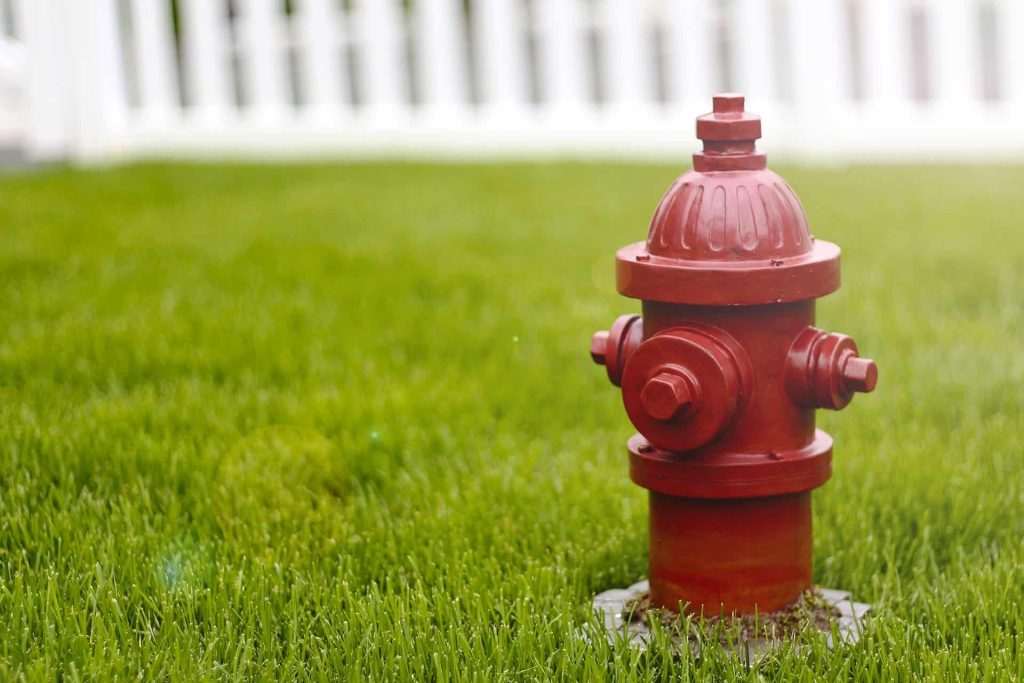

Fire safety is a fundamental aspect of urban infrastructure, particularly in densely populated cities like Singapore. Fires can occur suddenly due to electrical faults, human error, or industrial accidents, and rapid response is critical to minimizing damage and saving lives. One of the most effective tools for firefighting in urban areas is a fire hydrant system, which provides immediate access to water for fire suppression. Understanding how fire hydrants work, their types, installation requirements, and maintenance ensures buildings and communities remain well-protected.
What is a Fire Hydrant Singapore System?
A fire hydrant Singapore refers to an installed water supply system that allows firefighters to access high-pressure water quickly during an emergency. These systems are strategically located throughout urban areas and within building premises to provide rapid support in firefighting operations. Fire hydrants are designed to connect directly to hoses or fire trucks, enabling efficient water delivery to control and extinguish fires.
Fire hydrant systems are not only essential for safety but also play a key role in complying with Singapore’s strict fire safety regulations. They are often installed in residential complexes, commercial buildings, industrial facilities, and public spaces to ensure immediate accessibility in emergencies.
Types of Fire Hydrants
Wet Barrel Hydrants
Wet barrel hydrants are commonly used in areas where freezing temperatures are not a concern. Water is stored in the barrel at all times, making these hydrants immediately available for firefighting.
Dry Barrel Hydrants
Dry barrel hydrants are designed for areas where water may freeze. These hydrants keep the main valve below the frost line, preventing water from freezing in the barrel. They are activated only when needed.
Indoor Hydrants
Indoor fire hydrants are installed within buildings and are typically connected to the building’s internal water supply. They often include hoses and nozzles, allowing occupants or trained personnel to respond quickly to small fires before firefighters arrive.
Outdoor Hydrants
Outdoor hydrants are installed along streets, parking areas, and open spaces. They provide accessible water points for firefighters and are essential for controlling large-scale fires in urban settings.
Benefits of Fire Hydrant Systems
Rapid Fire Response
Fire hydrants provide instant access to high-pressure water, allowing firefighters to tackle fires quickly and effectively. Early intervention prevents fires from spreading, reducing property damage and saving lives.
Compliance with Regulations
Singapore mandates fire safety standards for all public and private buildings. Fire hydrant installation ensures compliance with local fire codes and safety regulations, avoiding penalties and enhancing insurance coverage.
Enhanced Property Protection
Hydrants help protect buildings, equipment, and infrastructure by enabling effective fire suppression. Quick water access limits structural damage and prevents fire escalation.
Community Safety
Strategically placed hydrants across neighborhoods improve public safety. Residents and firefighters can rely on these systems to respond promptly during emergencies.
Components of a Fire Hydrant System
A typical fire hydrant system includes:
-
Hydrant Valve: Controls water flow from the main supply to the hydrant.
-
Pipes: Transport water from the municipal supply to hydrants.
-
Hose Connections: Allow firefighters to attach hoses and access water.
-
Hose Reels (for indoor systems): Provide easy deployment of hoses within buildings.
-
Pressure Regulation Devices: Ensure water is delivered at an optimal pressure for firefighting.
Proper design and installation are crucial for ensuring each component functions effectively during emergencies.
Installation and Placement Guidelines
Correct placement of fire hydrants is essential for maximizing safety:
-
Hydrants should be installed at accessible locations and clearly visible.
-
Spacing between hydrants must comply with local regulations, typically based on building type and area coverage.
-
Indoor hydrants should be near high-risk areas like kitchens, electrical rooms, or storage areas.
-
Outdoor hydrants should be accessible to fire trucks and free from obstructions.
Professional installation ensures compliance with Singapore’s fire safety codes and optimizes the system’s effectiveness.
Maintenance and Testing
Regular maintenance is crucial for the reliability of fire hydrants:
-
Visual Inspections: Check for physical damage, leaks, and corrosion.
-
Flow Testing: Confirm adequate water pressure and flow rate.
-
Valve Operation: Ensure valves open and close smoothly.
-
Hose Checks: Inspect hoses for wear and tear and replace when necessary.
-
Documentation: Maintain inspection records to comply with fire safety regulations and insurance requirements.
Proper maintenance ensures that fire hydrants function reliably during emergencies and prevents unexpected system failures.
Fire Safety Training
Having a fire hydrant system is only effective if personnel are trained to use it. Building occupants and staff should be familiar with hydrant operation, hose deployment, and safety protocols. Fire drills and training sessions reinforce proper usage and prepare individuals for emergency situations.
Conclusion
A fire hydrant Singapore system is a vital component of fire safety in urban environments. By providing immediate access to water, hydrants play a critical role in protecting lives, property, and communities. Proper selection, professional installation, routine maintenance, and staff training are essential to ensure the system’s reliability.
By prioritizing fire safety and maintaining an effective fire hydrant network, building owners, managers, and residents can significantly reduce fire risks and create a safer, more prepared environment for everyone.