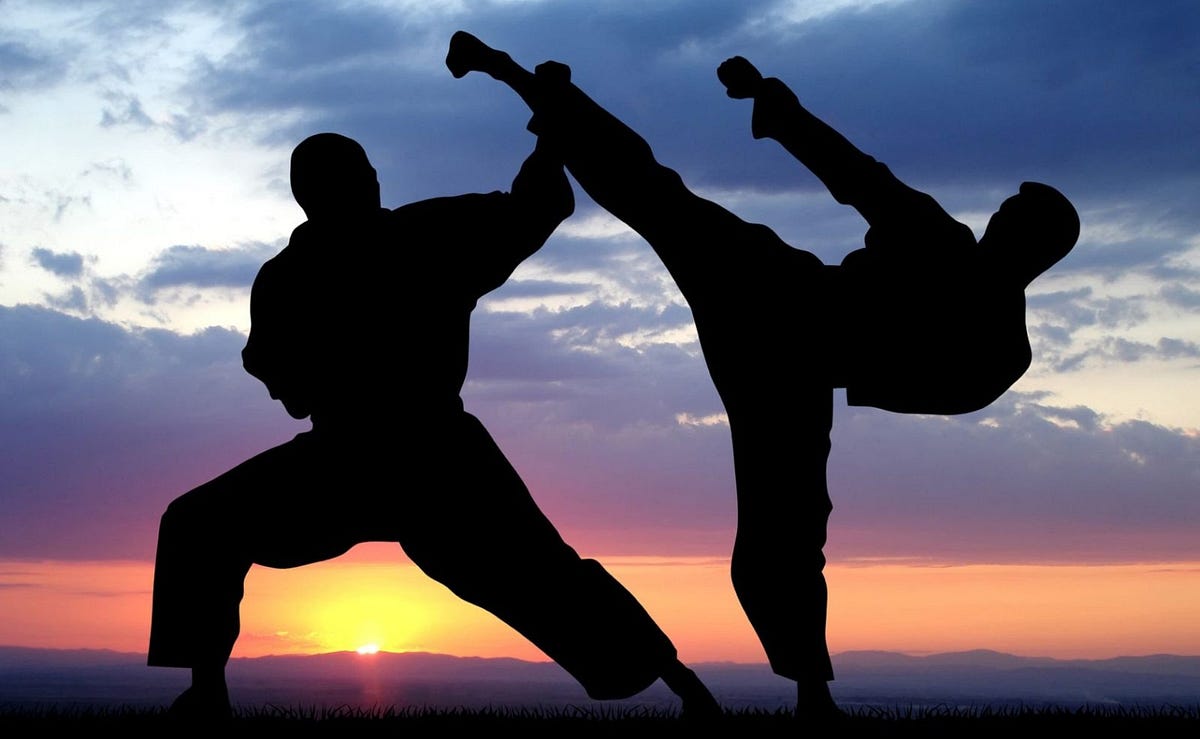

In the modern fast-paced lifestyle, finding ways to restore balance, improve focus, and cultivate inner calm is essential. Tai Chi is an ancient practice that combines gentle, flowing movements with mindful breathing and meditation to enhance physical health, mental clarity, and emotional resilience. Practicing Tai Chi offers benefits ranging from improved flexibility and balance to reduced stress and heightened self-awareness, making it a holistic approach to wellness suitable for people of all ages.
For those seeking professional guidance, tai chi Sydney programs provide structured lessons designed for beginners and advanced practitioners alike. These programs teach fundamental techniques, improve posture, and help integrate Tai Chi into daily routines while emphasizing mindfulness and energy flow. With expert instructors, students gain the knowledge and support needed to maximize the practice’s physical, mental, and spiritual benefits.
Understanding Tai Chi
Tai Chi, also called Tai Chi Chuan, is a Chinese martial art that emphasizes slow, deliberate movements and controlled breathing. Unlike other martial arts that focus primarily on strength and speed, Tai Chi prioritizes balance, coordination, and the flow of internal energy, or “Qi.” The practice promotes harmony between mind and body and encourages a deep sense of awareness and calm.
Tai Chi is both a martial art and a form of moving meditation. Its gentle motions reduce strain on muscles and joints, making it accessible for beginners, seniors, and individuals recovering from injuries. By combining physical movements with mindfulness, Tai Chi enhances flexibility, strength, and mental clarity simultaneously.
Key Styles of Tai Chi
There are several distinct styles of Tai Chi, each with unique techniques and philosophies:
Yang Style
Yang style is the most widely practiced form, featuring slow, continuous movements and broad, flowing postures. It is ideal for those seeking relaxation, stress relief, and improved physical health.
Chen Style
Chen style combines slow sequences with bursts of fast, powerful movements. This style emphasizes martial applications while maintaining the meditative qualities of Tai Chi.
Wu Style
Wu style focuses on compact, precise movements and upright postures. It emphasizes internal energy flow and is particularly effective for improving balance and posture.
Sun Style
Sun style incorporates elements of Tai Chi, Bagua, and Xing Yi. It features agile footwork, smooth transitions, and is gentle on the joints, making it accessible for older adults.
Physical Benefits of Tai Chi
Practicing Tai Chi regularly provides comprehensive physical benefits:
-
Enhanced Balance and Coordination: Controlled movements strengthen stabilizing muscles and improve posture.
-
Increased Flexibility: Slow stretching and flowing motions promote joint mobility and muscle elasticity.
-
Strength and Endurance: Weight shifting and stance work gradually develop strength without strain.
-
Cardiovascular Health: Continuous movement improves circulation and supports heart health.
-
Pain Management: Tai Chi can reduce discomfort from arthritis, joint issues, and chronic pain conditions.
These physical benefits make Tai Chi a gentle yet highly effective form of exercise suitable for all fitness levels.
Mental and Emotional Benefits
Tai Chi also provides profound mental and emotional advantages:
-
Stress Reduction: Mindful movement and deep breathing lower cortisol levels and promote relaxation.
-
Improved Focus: Coordinating breath with movement sharpens concentration and mental clarity.
-
Emotional Balance: Practicing patience and self-discipline fosters emotional resilience.
-
Mindfulness: Tai Chi encourages presence in the moment, reducing anxiety and negative thought patterns.
-
Confidence and Self-Awareness: Gradual mastery of movements enhances self-esteem and personal insight.
By cultivating mental and emotional well-being alongside physical health, Tai Chi offers a holistic approach to overall wellness.
Tai Chi as a Martial Art
While Tai Chi is often practiced for health and mindfulness, it is also a practical martial art. Key martial applications include:
-
Self-Defense: Techniques involve defensive stances, joint locks, and redirection of force.
-
Push Hands Training: Partners practice sensitivity, balance, and energy control.
-
Internal Energy Development: Breathing and movement coordination improve timing, leverage, and physical efficiency.
-
Strategic Awareness: Martial applications enhance focus, adaptability, and mental sharpness.
Understanding the martial aspects of Tai Chi adds depth to the practice, blending physical fitness with self-protection skills and mental acuity.
Integrating Tai Chi into Daily Life
Tai Chi can extend beyond classes and become part of daily routines:
-
Morning or Evening Practice: Short daily sessions boost energy, focus, and relaxation.
-
Workplace Mindfulness: Simple exercises during breaks reduce tension and improve productivity.
-
Outdoor Practice: Engaging in Tai Chi in parks or gardens enhances mental clarity and connection with nature.
-
Combining with Meditation: Integrating Tai Chi with meditation deepens mindfulness and emotional balance.
Consistent practice outside structured classes strengthens results and makes Tai Chi a lifestyle habit.
Choosing the Right Tai Chi Program in Sydney
Selecting an appropriate program ensures effective learning and long-term engagement:
-
Experienced Instructors: Qualified instructors provide guidance on correct form, breathing, and energy flow.
-
Structured Curriculum: Programs that progress from beginner to advanced levels promote steady skill development.
-
Class Size and Environment: Smaller groups allow personalized attention, while supportive environments encourage confidence.
-
Flexibility and Scheduling: Programs with multiple session times accommodate diverse schedules.
-
Holistic Approach: Programs combining martial techniques, breathing exercises, and mindfulness offer a well-rounded experience.
A quality Tai Chi program ensures that students learn effectively while fostering long-term commitment to practice.
Conclusion
Tai Chi is a versatile martial art and meditative practice that promotes physical health, mental clarity, and emotional well-being. By incorporating gentle, flowing movements with mindful breathing, Tai Chi enhances balance, flexibility, strength, and focus, while reducing stress and promoting self-awareness.
Professional tai chi Sydney classes provide structured learning, expert instruction, and a supportive community to help participants develop and sustain their practice. Whether your goal is physical fitness, stress relief, mindfulness, or martial arts mastery, Tai Chi offers a holistic approach to personal growth and wellness that benefits mind, body, and spirit.
Engaging in Tai Chi consistently allows practitioners to experience harmony, resilience, and lasting vitality in everyday life.