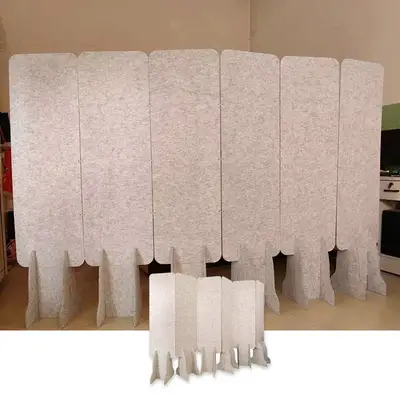

Controlling unwanted noise is an important part of creating comfortable and functional indoor environments. Offices, recording studios, restaurants, schools, conference rooms, and residential buildings all have different acoustic requirements. While some spaces need better speech clarity, others require reduced echo, improved sound absorption, or specialized noise-control solutions. Meeting these needs requires careful product design, appropriate materials, and reliable manufacturing processes.
An Acoustic Panel Factory produces acoustic products by considering the specific requirements of each application. From selecting the absorbing core to determining panel thickness, surface finish, and installation method, every manufacturing decision can influence the final result. Understanding this process helps buyers choose suitable products and recognize why different acoustic environments require different panel designs.
1. Understanding the Difference Between Sound Absorption and Soundproofing
Before manufacturing acoustic panels, it is important to understand the difference between sound absorption and soundproofing.
Sound absorption reduces reflections within a room. It helps control echo and reverberation, making conversations, presentations, and recordings clearer. Acoustic panels are commonly designed for this purpose.
Soundproofing, on the other hand, aims to reduce sound transmission from one space to another. It generally requires construction solutions such as mass-loaded barriers, insulated wall cavities, airtight seals, and properly designed partitions.
Although acoustic panels can improve the sound environment inside a room, they do not automatically prevent noise from passing through walls or ceilings. Manufacturers must understand this distinction when developing products for different customer needs.
2. Evaluating the Acoustic Requirements of Each Project
The production process begins with identifying the intended application. Different environments have different sound characteristics, and a panel designed for one setting may not be suitable for another.
Manufacturers typically consider:
- Room dimensions and ceiling height.
- Existing wall and ceiling materials.
- Main sources of unwanted sound.
- Frequency ranges that require attention.
- Expected occupancy and daily activities.
- Desired visual appearance.
- Installation limitations and available space.
For example, a conference room may need sound absorption to improve speech intelligibility, while a recording studio may require a more carefully planned combination of absorption and diffusion.
Understanding these requirements helps manufacturers recommend suitable panel specifications rather than offering a single design for every application.
3. Selecting Materials for Different Acoustic Applications
Material selection is one of the most important stages in acoustic panel production. The absorbing core, surface covering, backing, and supporting structure all contribute to the finished product’s characteristics.
Polyester Fiber
Polyester fiber is a popular option for decorative acoustic panels. It is lightweight, available in different colors and thicknesses, and can be cut into various shapes.
It is commonly used in offices, schools, meeting rooms, and commercial interiors where both acoustic performance and appearance matter.
Mineral Wool
Mineral wool is a fibrous material used in many building insulation and acoustic applications. Its porous structure helps absorb sound, making it suitable for certain wall and ceiling panel systems.
The required thickness, density, protective covering, and installation arrangement depend on the intended application.
Fiberglass
Fiberglass is frequently used in professional sound-absorbing products. It can provide effective acoustic performance when incorporated into an appropriately designed panel.
Manufacturers must also consider suitable encapsulation and surface coverings to address handling and installation requirements.
Wood-Based Materials
Wood and engineered wood products are often used in decorative acoustic panels. Perforated and slatted designs allow sound to reach an absorbing layer behind the visible surface.
These products are particularly useful when customers want acoustic treatment that complements architectural interiors.
4. Designing Panels for Specific Sound Requirements
Once the materials are selected, manufacturers determine the panel’s dimensions, thickness, construction, and surface design.
Different acoustic applications require different product configurations.
Panels for Office Environments
Open offices often experience excessive conversations, telephone calls, and background noise. Wall-mounted and ceiling-mounted panels can help reduce sound reflections and improve speech comfort.
Manufacturers may offer fabric-wrapped panels, polyester fiber products, or suspended acoustic elements to suit different office layouts.
Panels for Recording Studios
Recording environments require more detailed acoustic planning. Panels may be selected to manage reflections and reverberation across relevant frequency ranges.
The design may include thicker absorbers, bass traps, and other acoustic treatments. Their placement is important because excessive or poorly distributed absorption can create an unbalanced listening environment.
Panels for Restaurants and Hospitality Spaces
Restaurants, hotels, and cafés often contain hard surfaces that reflect sound. Acoustic panels can help reduce reverberation and make conversations more comfortable.
For these environments, manufacturers may prioritize attractive finishes, durable coverings, and materials suitable for the expected maintenance conditions.
Panels for Educational Facilities
Classrooms, lecture halls, and training rooms benefit from acoustic treatments that support clear communication.
Manufacturers may develop wall and ceiling panels with appropriate absorption characteristics, durable surfaces, and product-specific safety documentation.
5. Determining Panel Thickness and Density
Panel thickness and density are important design considerations, but they should not be treated as simple indicators of quality.
Thicker porous absorbers can often provide better performance at lower frequencies than thinner versions of the same material. However, the actual result depends on material structure, density, mounting arrangement, and other design factors.
Manufacturers evaluate these characteristics according to the intended acoustic requirements. They may also consider whether an air gap behind the panel can improve performance without increasing the material thickness itself.
Testing helps confirm whether the selected construction delivers the expected sound absorption.
6. Cutting and Preparing Raw Materials
After finalizing the product specifications, manufacturing moves into material preparation.
Raw materials are measured, inspected, and cut according to the required panel dimensions. Depending on the product type, this stage may involve automated cutting equipment, specialized blades, or manual processing.
Accurate cutting is important because inconsistent dimensions can affect panel alignment, installation, and overall appearance.
Manufacturers also prepare supporting components, including frames, backing layers, adhesives, and surface coverings. Each component must be compatible with the selected acoustic core.
7. Assembling the Acoustic Panels
Assembly methods vary according to the product design.
For fabric-wrapped panels, the absorbing core is typically prepared and fitted into a frame or supporting structure before the fabric is attached. The covering must remain appropriately tensioned to create a clean finish without interfering with the intended acoustic function.
Polyester fiber panels may be shaped and finished directly, depending on their construction. Wooden acoustic panels may require additional processes, such as perforation, grooving, sanding, or the application of decorative finishes.
During assembly, manufacturers pay attention to:
- Accurate component alignment.
- Secure bonding and attachment.
- Consistent panel dimensions.
- Clean edges and corners.
- Proper surface finishing.
- Protection of the absorbing core.
These steps help ensure that the finished products are suitable for their intended installation.
8. Applying Decorative Finishes
Acoustic panels are increasingly used as part of interior design. As a result, manufacturers offer different surface treatments to match commercial and residential environments.
Common options include fabric coverings, colored polyester surfaces, decorative wood finishes, and customized patterns.
Customers may request specific colors, dimensions, shapes, or branding elements to complement their interiors.
However, decorative finishes must be selected carefully. A surface covering should be compatible with the acoustic design, and manufacturers should verify that the complete panel construction maintains the required performance.
9. Quality Control and Acoustic Testing
Quality control helps ensure that panels meet the required manufacturing specifications. It usually involves inspections throughout production rather than checking only the completed product.
Typical inspection procedures include:
- Checking incoming materials for consistency.
- Verifying panel dimensions and thickness.
- Inspecting bonding and assembly quality.
- Reviewing fabric, color, and surface finishes.
- Checking for visible defects or structural damage.
- Confirming product specifications before packaging.
Acoustic testing is also important. Sound absorption tests can provide information about performance at different frequencies. An NRC rating may be used as a summary measure, although frequency-specific test results provide additional detail.
If a project requires fire-performance or emissions documentation, manufacturers should provide relevant reports for the actual product construction.
10. Producing Custom Panels for Specialized Projects
Some projects require more than standard acoustic panel sizes and finishes. Custom manufacturing allows products to be adapted to unusual room dimensions, specific design concepts, or particular installation requirements.
Customization may include:
- Non-standard panel dimensions.
- Different thicknesses and core materials.
- Customized fabric colors.
- Decorative shapes and patterns.
- Perforated or slatted wooden surfaces.
- Wall-mounted or ceiling-suspended configurations.
For larger projects, manufacturers may also coordinate production batches to maintain consistency across different areas of a building.
Custom specifications should be reviewed carefully to ensure that design changes do not compromise acoustic performance or installation requirements.
11. Packaging and Preparing Panels for Delivery
Once the panels pass inspection, they are prepared for shipment. Packaging is particularly important because acoustic products may contain materials and finishes that can be damaged during handling or transportation.
Manufacturers select packaging methods according to panel size, weight, surface type, and shipping distance.
Protective wrapping, corner protection, suitable cartons, and clear product identification can help reduce the risk of damage. For larger commercial orders, organized labeling also makes it easier to identify different panel types during installation.
12. Choosing the Right Acoustic Panels for Your Project
Buyers should evaluate their actual acoustic requirements before selecting products. Choosing panels based only on appearance or price may result in a solution that does not adequately address the room’s sound problems.
Consider the following factors:
- Purpose: Determine whether the priority is reducing echo, improving speech clarity, or addressing sound transmission.
- Material: Compare the characteristics of available absorbing materials and surface finishes.
- Performance: Review acoustic test reports and relevant frequency-specific results.
- Installation: Check whether the panels are suitable for walls, ceilings, or other intended locations.
- Safety: Request applicable fire-performance and emissions documentation.
- Maintenance: Consider cleaning requirements and expected wear.
- Budget: Compare initial costs with durability, performance, and long-term value.
Consulting an acoustic professional can also help when a project involves complex noise problems or strict performance targets.
Conclusion
Producing acoustic panels for different sound-control requirements involves much more than cutting and assembling materials. Manufacturers must understand the intended environment, select suitable absorbing materials, determine appropriate dimensions, and apply reliable assembly and quality control procedures.
From decorative office panels to specialized studio treatments, each product should be designed around its intended application. By evaluating material properties, acoustic test results, safety requirements, and installation conditions, buyers can select acoustic solutions that provide practical improvements to indoor sound quality.
A well-designed acoustic panel can make a meaningful difference to the comfort and functionality of a space, provided its capabilities are matched to the actual acoustic needs of the project.