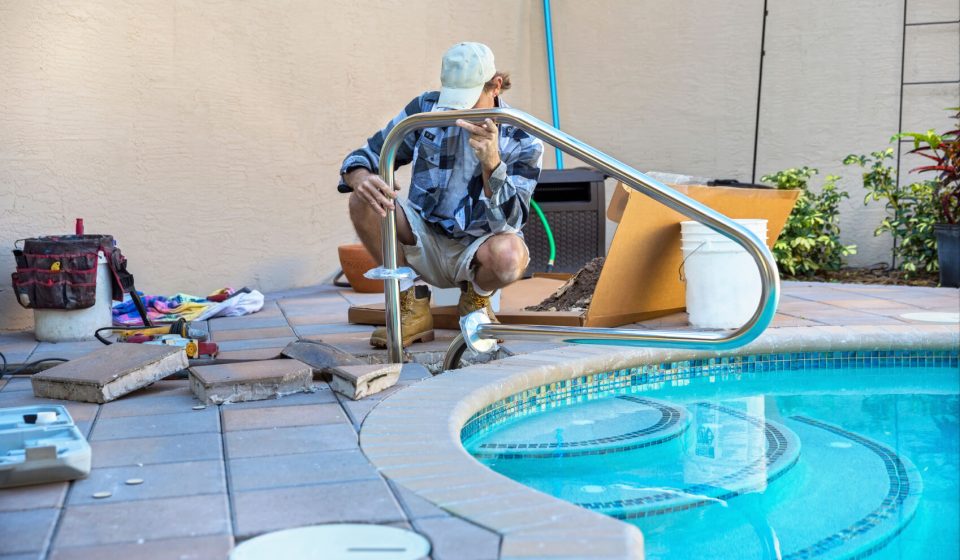

Regular swimming pool maintenance helps keep the water clean, protects equipment from premature wear, and creates a comfortable environment for swimmers. Whether you own a small backyard pool or a larger residential swimming pool, having the right maintenance products readily available makes routine care easier and helps prevent minor issues from becoming expensive problems.
Building a well-organized maintenance kit starts with understanding which products are essential and how they work together. Choosing suitable swimming pool equipment and supplies allows pool owners to prepare for everyday cleaning, water testing, and equipment upkeep without purchasing unnecessary items. With a practical selection of tools and treatment products, maintaining a pool can become a more manageable part of your regular routine.
1. Pool Water Testing Kits
Water testing supplies are among the most important items every pool owner should keep on hand. Clear water does not necessarily indicate that the chemical balance is correct, so regular testing is essential for maintaining suitable swimming conditions.
Essential Water Parameters to Monitor
A reliable testing kit should measure the parameters relevant to your pool’s sanitation system. These commonly include:
- pH: Indicates how acidic or alkaline the water is and influences sanitizer performance and swimmer comfort.
- Free chlorine: Measures the chlorine available for disinfection in chlorine-treated pools.
- Total alkalinity: Helps stabilize pH and reduce sudden fluctuations.
- Calcium hardness: Helps prevent conditions that contribute to scale formation or corrosion.
- Cyanuric acid: Helps protect chlorine from sunlight in outdoor pools that use stabilized chlorine.
Test strips are convenient for routine checks, while liquid test kits may offer more detailed measurements. Follow the product instructions and test more frequently when heavy pool use, rainfall, or hot weather may affect water conditions.
2. Pool Sanitizers and Water Treatment Chemicals
Sanitizers help control harmful microorganisms in swimming pool water. Keeping the appropriate treatment products available makes it easier to maintain sanitation and respond to changes identified through water testing.
Common Pool Treatment Products
Depending on your pool’s sanitation system, your maintenance supplies may include chlorine products, bromine products, pH adjusters, alkalinity increasers, or calcium hardness treatments.
Saltwater pools also require sanitation because salt chlorine generators produce chlorine from dissolved salt. These systems still need regular testing and appropriate maintenance.
Only use products compatible with your pool’s treatment system. Avoid adding chemicals simply because the water looks cloudy or has an unusual smell; test the water first and investigate the underlying cause.
Always follow label directions for dosing, handling, and storage. Never mix pool chemicals together, and keep them secured away from children, pets, direct sunlight, and incompatible substances as specified by the manufacturer.
3. Pool Skimmer Nets and Leaf Removal Tools
Leaves, insects, grass clippings, and other floating debris can accumulate quickly, particularly in outdoor pools. A skimmer net helps remove these materials before they sink to the bottom or enter the circulation system.
A handheld net is suitable for quick cleanups, while a telescopic pole makes it easier to reach the middle of a larger pool. Keeping this tool accessible encourages frequent skimming and reduces the amount of debris that must be removed later.
Built-in skimmer baskets should also be checked regularly. Emptying them when needed helps prevent blockages and supports normal water circulation.
4. Pool Brushes for Surface Cleaning
Pool brushes help remove dirt, algae, and residue from pool walls, steps, floors, and corners. Regular brushing is particularly important in areas where water circulation is limited or buildup tends to develop.
Different pool surfaces require different brush materials. Nylon brushes are generally appropriate for many vinyl-lined and fiberglass pools, while certain plaster surfaces can accommodate stainless-steel bristles.
Check the pool manufacturer’s recommendations before selecting a brush. Using the wrong type can scratch or damage the surface.
A sturdy telescopic pole can also make brushing easier by allowing you to reach deeper sections and distant walls without entering the water.
5. Pool Vacuum Equipment
A pool vacuum removes dirt and debris that settle on the pool floor. Although filtration systems capture suspended particles, they cannot always remove settled material without assistance.
Pool owners can choose between manual vacuums, automatic suction-side cleaners, pressure-side cleaners, and robotic cleaners. Each option offers different levels of convenience, cost, and maintenance.
A manual vacuum may be sufficient for a smaller pool, while an automatic cleaner can reduce cleaning time for larger pools or those that collect substantial debris.
When selecting a vacuum, consider your pool’s dimensions, shape, surface material, and existing circulation system. Keep any required hoses, connectors, and replacement components in good condition so the equipment is ready when needed.
6. Filter Cleaning and Replacement Supplies
The pool filter captures dirt and suspended particles as water circulates through the system. Keeping the filter clean is essential for maintaining good water flow and filtration performance.
The supplies you need depend on the type of filter installed.
- Sand filters: May require replacement filter media over time and appropriate maintenance equipment for cleaning or backwashing.
- Cartridge filters: Need compatible replacement cartridges and may benefit from a suitable cleaning brush or hose attachment.
- Diatomaceous earth filters: Require the specified filtering medium and careful handling during maintenance.
Check the manufacturer’s instructions before using filter cleaning products. Some chemicals may be unsuitable for particular filter materials or equipment components.
Monitoring filter pressure can also help identify when cleaning is necessary. Clean or service the filter according to the manufacturer’s recommended operating range rather than following an arbitrary schedule.
7. Skimmer Baskets and Pump Basket Maintenance Tools
Pool circulation depends on water moving freely through the skimmer, pump, filter, and return lines. Baskets collect larger debris before it reaches sensitive equipment, making them important parts of routine maintenance.
Keep compatible replacement baskets and basket covers available if your equipment uses removable components that may become damaged or worn.
A basic maintenance kit may also include suitable hand tools for accessing designated service areas, although specialized repairs should be left to qualified professionals.
Before opening a pump basket or servicing the circulation system, switch off and isolate the equipment according to the manufacturer’s instructions. Never open pressurized equipment until it has been safely depressurized.
8. Pool Water Clarifiers and Specialty Treatments
Some pools occasionally develop cloudy water because of suspended particles, chemical imbalances, inadequate filtration, or other water quality issues. Specialty products may help in specific circumstances, but they should not replace routine maintenance.
Water clarifiers help certain small particles combine into larger particles that can be captured more effectively by an appropriate filtration system. Their suitability depends on the product and filter type.
Algaecides may also have a role in particular maintenance situations, but they do not replace effective sanitation, brushing, circulation, and water balance.
Before using a specialty treatment, test the water and identify the likely cause of the problem. Follow the product label and confirm compatibility with your pool equipment.
9. Pool Safety Supplies
Every pool maintenance kit should account for safety as well as cleanliness. Appropriate safety equipment should be accessible, maintained, and suitable for the pool’s users and environment.
Important items and measures include:
- A reaching pole and suitable rescue flotation equipment.
- Secure barriers and self-closing, self-latching gates where required.
- A clearly accessible first-aid kit.
- Non-slip surfaces around pool steps and walking areas.
- Safe, clearly labeled storage for pool chemicals and maintenance products.
Pool owners should also establish clear rules about supervision, diving, running, and safe equipment use.
Pool covers can reduce evaporation and debris accumulation, but ordinary covers should not be assumed to provide fall protection. Use a cover as a safety barrier only when it is specifically designed and approved for that purpose.
10. Protective Equipment for Handling Pool Chemicals
Protective equipment is often overlooked when purchasing pool maintenance supplies. However, safe handling is essential because some pool chemicals can irritate or damage the skin and eyes.
Depending on the products being handled, appropriate supplies may include chemical-resistant gloves, protective eyewear, and other protective equipment specified on the label or safety data sheet.
Store chemicals in their original, clearly labeled containers in a suitable location with appropriate ventilation. Keep incompatible products separate, and never transfer chemicals into food or drink containers.
Follow all manufacturer precautions, and avoid mixing chemicals or combining products unless the instructions explicitly permit the practice.
11. Pool Maintenance Accessories and Replacement Parts
A few additional supplies can make routine maintenance more convenient and reduce interruptions when minor components need replacing.
Useful items may include:
- Replacement O-rings and seals compatible with your equipment.
- Spare skimmer baskets and pump basket components.
- Pool thermometers for monitoring water temperature.
- Telescopic poles and compatible cleaning attachments.
- Replacement filter cartridges or other manufacturer-approved components.
- Equipment labels and a maintenance log.
You do not need to keep every possible spare part on hand. Prioritize components that are commonly replaced, essential to normal operation, and readily identifiable by the equipment’s model number.
Using compatible parts helps maintain performance and reduces the risk of leaks or damage.
How to Organize Your Pool Maintenance Supplies
Keeping supplies organized makes regular maintenance more efficient and helps prevent accidental misuse.
Store cleaning tools together in a designated area where they can dry properly after use. Keep water testing products within their recommended storage conditions, as excessive heat, moisture, or sunlight may affect their accuracy.
Pool chemicals should be stored securely according to their individual labels. Do not store incompatible substances together, and keep all chemical products away from children and pets.
It is also useful to maintain a simple inventory. Record product names, purchase dates, expiration dates where applicable, and replacement parts needed for your equipment.
A Simple Pool Maintenance Schedule
Having the right supplies is only part of effective pool care. Establishing a consistent routine helps ensure that equipment and treatment products are used when needed.
Daily or Frequent Checks
During regular pool use, remove floating debris, inspect water clarity, and check that the circulation system is operating normally. Empty baskets as needed, especially during periods of heavy debris accumulation.
Weekly Maintenance
Test the water, adjust chemical levels according to the results, brush surfaces, and vacuum settled debris. Inspect the filter and clean it when required by its operating condition and manufacturer’s instructions.
Monthly or Periodic Checks
Inspect equipment for leaks, worn seals, unusual noises, or reduced circulation. Review chemical stocks and replace expired or depleted products as appropriate.
The exact schedule should reflect pool usage, weather, water conditions, and equipment specifications. Pools exposed to heavy use or challenging weather may require more frequent attention.
Conclusion
Keeping essential swimming pool maintenance supplies on hand makes routine care more convenient and helps prevent common water quality and equipment problems. Water testing kits, sanitizers, skimmer nets, brushes, vacuums, filter maintenance products, and safety supplies all contribute to a well-maintained swimming environment.
Start with the items required for regular cleaning, water testing, and safe equipment operation. Then add compatible replacement parts and specialty products according to your pool’s needs.
With an organized supply kit, a consistent maintenance schedule, and careful attention to manufacturer instructions, you can keep your pool cleaner, protect your equipment, and make pool ownership easier throughout the swimming season.