
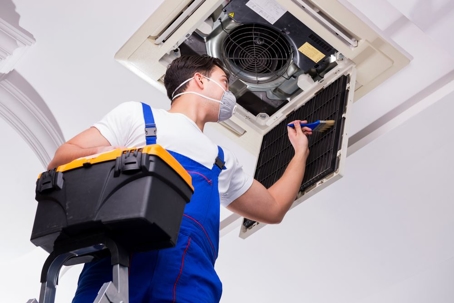

An air conditioner is essential for maintaining a comfortable indoor environment, especially during the hottest months of the year. Like any mechanical system, it experiences wear and tear over time. Recognizing early warning signs can help prevent costly repairs and unexpected breakdowns while keeping your cooling system operating efficiently.
Many homeowners delay scheduling AC Repair because small issues seem insignificant at first. However, addressing problems early can improve system performance, lower energy costs, and extend the lifespan of your air conditioning unit.
Table of Contents
ToggleWhy Early Repairs Matter
Minor air conditioner problems rarely resolve on their own. Ignoring them often leads to more serious damage and higher repair expenses.
Prompt repairs can help:
- Improve cooling performance.
- Reduce energy consumption.
- Prevent major component failures.
- Extend the lifespan of the system.
- Maintain consistent indoor comfort.
Regular inspections and timely repairs are often less expensive than replacing damaged equipment.
Weak Airflow
One of the most common signs of an air conditioner problem is reduced airflow from the vents.
Weak airflow may result from:
- Dirty air filters.
- Blocked air ducts.
- Failing blower motors.
- Frozen evaporator coils.
- Obstructed vents.
If rooms are not cooling evenly, restricted airflow may be the cause.
Warm Air Instead of Cool Air
If your air conditioner blows warm or room-temperature air, it should be inspected as soon as possible.
Possible causes include:
- Low refrigerant levels.
- Compressor issues.
- Thermostat malfunctions.
- Electrical problems.
Prompt diagnosis can help prevent additional strain on the system.
Unusual Noises
Most air conditioners produce a steady, low operating sound.
Unusual noises such as the following often indicate mechanical problems:
- Grinding.
- Banging.
- Squealing.
- Rattling.
- Buzzing.
These sounds may signal loose components, worn bearings, damaged fans, or electrical issues that require professional attention.
Strange Odors
Unpleasant smells coming from your air conditioner should never be ignored.
Common odor types include:
- Musty smells caused by mold or mildew.
- Burning odors from overheating electrical components.
- Chemical odors that may indicate refrigerant leaks.
Early inspection helps protect both the equipment and indoor air quality.
Frequent Cycling
Air conditioners naturally turn on and off throughout the day.
However, if your system cycles much more frequently than usual, it may indicate:
- Dirty air filters.
- Incorrect thermostat settings.
- Refrigerant issues.
- Oversized equipment.
- Electrical faults.
Frequent cycling increases energy use and places unnecessary stress on system components.
Rising Energy Bills
A sudden increase in electricity costs without higher usage often signals declining air conditioner efficiency.
Common reasons include:
- Dirty condenser coils.
- Aging components.
- Refrigerant leaks.
- Restricted airflow.
- Poor maintenance.
Routine servicing can often restore efficiency and reduce operating costs.
Water or Refrigerant Leaks
Moisture around your indoor or outdoor unit should not be overlooked.
Possible causes include:
- Clogged condensate drains.
- Frozen evaporator coils.
- Damaged drain pans.
- Refrigerant leaks.
While water leaks can cause property damage, refrigerant leaks require immediate professional attention.
High Indoor Humidity
An air conditioner should help remove excess humidity while cooling your home.
If indoor air begins to feel damp or sticky, your system may no longer be controlling humidity effectively.
Poor humidity control may result from:
- Refrigerant issues.
- Improper system sizing.
- Dirty coils.
- Malfunctioning components.
Addressing these problems improves both comfort and indoor air quality.
Thermostat Problems
Sometimes the issue isn’t with the air conditioner itself.
A faulty thermostat may cause:
- Incorrect temperature readings.
- Uneven cooling.
- Constant cycling.
- Failure to start the system.
Checking thermostat settings and replacing batteries can sometimes resolve simple issues before professional repairs are needed.
Preventive Maintenance Tips
Routine maintenance helps reduce the risk of unexpected breakdowns.
Simple maintenance practices include:
- Replace air filters every one to three months.
- Keep outdoor units free of debris.
- Clean air vents regularly.
- Schedule annual professional inspections.
- Monitor unusual sounds or odors.
- Check thermostat performance periodically.
Consistent maintenance improves efficiency and helps identify developing problems early.
When to Call a Professional
While homeowners can perform basic maintenance, certain problems require expert diagnosis and repair.
Contact a qualified technician if you notice:
- Warm air from the vents.
- Refrigerant leaks.
- Loud mechanical noises.
- Persistent poor cooling.
- Repeated system shutdowns.
- Electrical issues or burning smells.
Delaying professional service may result in more extensive damage and higher repair costs.
Conclusion
Recognizing the warning signs of air conditioner trouble can help you avoid expensive repairs and maintain reliable cooling throughout the year. Weak airflow, unusual noises, rising energy bills, water leaks, and inconsistent temperatures are all indicators that your system may need attention.
By responding quickly to these early warning signs and following a regular maintenance schedule, you can improve your air conditioner’s performance, increase its lifespan, and enjoy a more comfortable indoor environment year-round.


