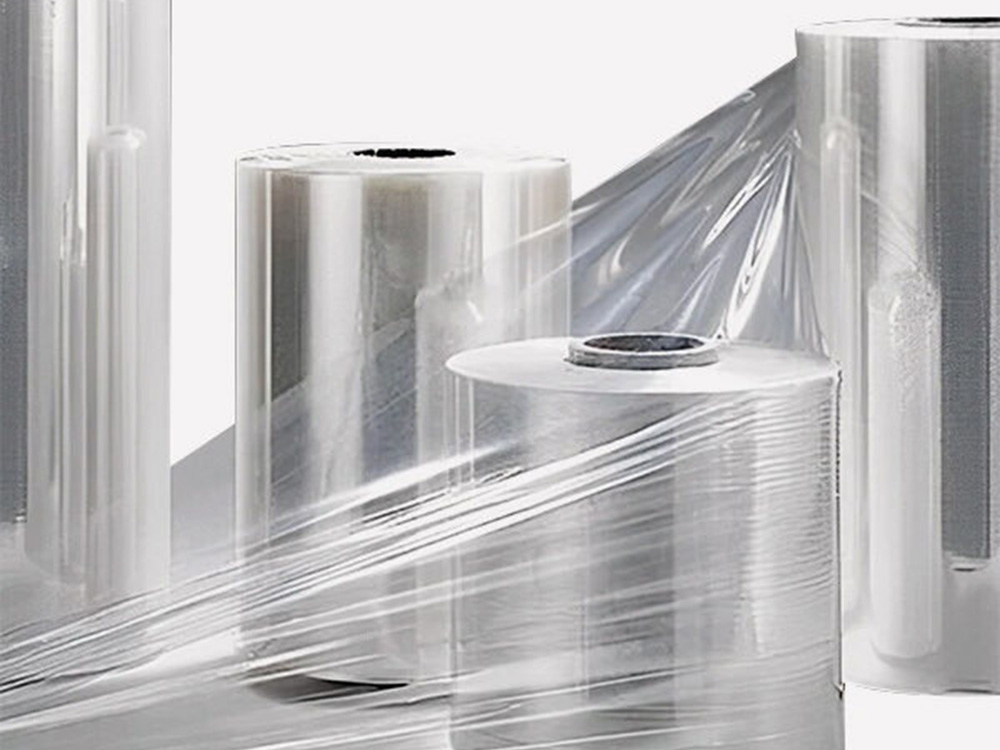

Biaxially Oriented Polypropylene (BOPP) film is one of the most widely used materials in flexible packaging due to its clarity, strength, and versatility. It is commonly used in food packaging, labeling, lamination, and industrial applications where performance consistency is essential. As demand for high-quality packaging materials continues to grow, understanding how different film producers operate becomes increasingly important.
In this context, BOPP film manufacturers stand apart from other plastic film producers due to their specialized production processes, material orientation techniques, and performance-focused engineering. While many plastic films serve general packaging purposes, BOPP films are designed for high-performance applications that require precision and durability.
Understanding BOPP Film Production
BOPP film is produced through a biaxial orientation process, where polypropylene is stretched in both the machine and transverse directions. This process significantly enhances the film’s mechanical strength, clarity, and dimensional stability.
This level of engineering precision distinguishes BOPP production from many other plastic film manufacturing processes, which may use simpler extrusion or casting methods without biaxial stretching.
Key Differences in Manufacturing Processes
The production methods used by BOPP film manufacturers differ significantly from those used by producers of other plastic films such as LDPE, HDPE, and PVC films.
1. Orientation Technology
BOPP films undergo biaxial orientation, which aligns polymer molecules in two directions. In contrast, many other plastic films rely on single-direction stretching or no orientation at all, resulting in lower strength and clarity.
2. Material Structure
BOPP film has a highly structured molecular alignment that enhances durability and optical properties. Other plastic films often have more amorphous structures, making them more flexible but less rigid and transparent.
3. Production Precision
Manufacturing BOPP film requires tightly controlled temperature, stretching ratios, and cooling processes. Other plastic film production methods may not require such precise control.
Performance Differences Between Film Types
The performance characteristics of BOPP film differ significantly from other plastic films, especially in packaging applications.
Key performance distinctions include:
- Higher tensile strength compared to polyethylene films
- Better optical clarity and gloss for branding applications
- Improved moisture resistance for packaging protection
- Superior dimensional stability during processing
These advantages make BOPP film more suitable for high-quality packaging applications.
Applications Compared to Other Plastic Films
Different plastic films serve different industries based on their properties.
BOPP Film Applications
- Food packaging for snacks, bakery items, and confectionery
- Pressure-sensitive labels for bottles and containers
- Lamination films for printed packaging materials
- Industrial wrapping requiring strength and clarity
Other Plastic Film Applications
- LDPE films for grocery bags and liners
- HDPE films for heavy-duty packaging bags
- PVC films for shrink wrapping and protective covers
While other films offer flexibility or cost advantages, BOPP films are preferred for applications requiring visual appeal and structural integrity.
Role of BOPP Film Manufacturers in Specialized Production
The expertise required to produce BOPP film is more advanced than that needed for many other plastic films. This is due to the complexity of the biaxial orientation process and the need for precise quality control.
In this context, BOPP film manufacturers focus on:
- Maintaining strict control over molecular orientation
- Ensuring uniform thickness and surface quality
- Enhancing printability and coating compatibility
- Delivering consistent performance for high-speed processing
Their specialized capabilities make them essential players in the flexible packaging industry.
Quality and Technical Requirements
BOPP films must meet higher performance standards compared to many general-purpose plastic films. This includes strict requirements for optical clarity, tensile strength, and surface energy.
Key quality parameters include:
- Consistent thickness across large rolls
- High tensile and impact resistance
- Stable thermal and mechanical behavior
- Enhanced surface treatment for printing and lamination
These standards ensure reliability in demanding packaging environments.
Cost and Efficiency Considerations
While BOPP films may involve more complex production processes, they often provide better long-term efficiency in packaging applications. Their durability and performance reduce material waste and improve production speed in conversion processes.
Other plastic films may offer lower upfront costs but can require additional layers or reinforcements to achieve similar performance levels.
Conclusion
BOPP film differs significantly from other plastic films in terms of production technology, material structure, and performance capabilities. Its biaxial orientation process gives it superior strength, clarity, and stability, making it ideal for high-performance packaging applications.
As global packaging demands continue to evolve, BOPP film manufacturers remain at the forefront of innovation, delivering specialized solutions that outperform many conventional plastic film alternatives. Their expertise ensures that BOPP film continues to play a key role in modern flexible packaging systems.