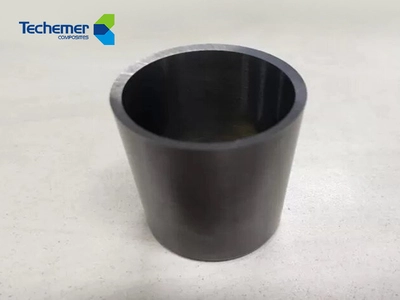

Hydroelectric turbines are designed to operate for long periods under demanding mechanical and environmental conditions. Their bearings support rotating shafts, manage operational forces, and help maintain stable movement throughout the turbine-generator assembly. However, continuous loading, lubrication problems, contamination, and installation errors can gradually affect bearing condition.
Understanding the factors that contribute to wear and failure is essential for maintaining hydro turbine bearings and improving the reliability of hydropower equipment. Identifying potential causes early allows maintenance teams to take corrective action, reduce unexpected downtime, and avoid costly component replacement.
1. Excessive Mechanical Loads
Mechanical loading is one of the primary factors affecting bearing service life. Hydro turbine bearings must support forces generated by rotating components, hydraulic pressure, and the weight of the turbine-generator assembly.
When operating loads exceed the bearing’s design capacity, contact pressure and material stress can increase. Continuous overloading may cause surface deformation, fatigue, and premature deterioration.
Radial Load Effects
Radial loads act perpendicular to the shaft axis. They can result from rotor imbalance, hydraulic forces, shaft weight distribution, and misalignment.
Uneven radial loading may create localized pressure on bearing surfaces, leading to irregular wear and increased vibration.
Axial Load Effects
Axial loads act parallel to the shaft axis. In many hydroelectric installations, thrust bearings support these forces, which may include runner-generated hydraulic thrust and the weight of rotating components.
If the thrust-bearing arrangement is incorrectly designed or overloaded, excessive axial displacement and surface damage may occur.
2. Inadequate or Improper Lubrication
Lubrication plays a critical role in protecting bearing surfaces. In hydrodynamic bearing systems, a lubricant film separates moving surfaces and supports the applied load.
When lubrication is insufficient, the protective film may become unstable or break down. This can increase friction, generate heat, and cause direct contact between surfaces.
Common lubrication-related problems include:
- Insufficient oil supply
- Incorrect lubricant viscosity
- Low oil pressure or flow
- Blocked lubrication passages
- Deteriorated or oxidized oil
- Incorrect lubrication procedures
Using the lubricant recommended for the bearing design and maintaining the required supply conditions helps reduce friction-related damage.
3. Contamination in Lubricating Oil
Contaminated lubricant can significantly shorten bearing service life. Solid particles, moisture, and chemical impurities may interfere with the formation of a stable lubricating film.
Hard particles can become trapped between moving surfaces and cause abrasion, scoring, or localized damage. Water contamination may reduce lubricant performance and contribute to corrosion.
Common contamination sources include:
- Damaged seals and protective covers
- Poorly maintained filtration systems
- Moisture entering oil reservoirs
- Dirty maintenance equipment
- Contaminated replacement lubricant
- Wear debris circulating through the lubrication system
Regular oil sampling, effective filtration, and proper handling procedures help maintain lubricant cleanliness.
4. Shaft Misalignment
Correct shaft alignment is essential for distributing mechanical forces evenly across bearing surfaces.
Misalignment can occur during installation, after equipment repairs, or because of changes in foundation conditions and component positioning.
When the shaft and bearing are not correctly aligned, loading may become uneven. This can increase friction, vibration, and localized surface pressure.
Signs of possible misalignment include:
- Unusual vibration patterns
- Uneven bearing temperature
- Abnormal wear distribution
- Changes in shaft position
- Increased mechanical noise
Precision alignment checks should be performed during installation, major maintenance activities, and investigations of abnormal operating conditions.
5. Excessive Operating Temperature
Temperature has a direct influence on bearing materials and lubricant performance. Excessive heat can reduce lubricant viscosity, accelerate oxidation, and affect the stability of the lubricating film.
Several conditions may contribute to high bearing temperatures, including inadequate lubrication, excessive loading, restricted cooling, and increased friction.
Temperature monitoring helps operators identify abnormal thermal behavior before serious damage occurs.
A sudden temperature increase should be investigated rather than treated as an isolated operating fluctuation. Measurements should be compared with manufacturer limits and historical operating data.
6. Rotor Imbalance and Excessive Vibration
Rotor imbalance occurs when the mass distribution of a rotating component is uneven. During operation, this can generate additional centrifugal forces that place unnecessary stress on bearings.
Excessive vibration may also result from shaft misalignment, mechanical looseness, hydraulic disturbances, or developing bearing defects.
Continuous vibration can contribute to fatigue, uneven loading, and deterioration of bearing surfaces.
Vibration analysis helps maintenance teams identify changes in mechanical behavior. Comparing current readings with baseline measurements can reveal developing problems before they become severe.
7. Incorrect Bearing Installation
Even a high-quality bearing may fail prematurely if installation procedures are not followed correctly.
Installation errors can affect bearing clearances, alignment, surface condition, and load distribution. Excessive mounting force or improper handling may also damage precision surfaces.
Common installation mistakes include:
- Incorrect positioning within the housing
- Improper shaft or housing dimensions
- Insufficient or excessive bearing clearance
- Contamination during assembly
- Damage caused by unsuitable installation tools
- Failure to follow specified fitting procedures
Technicians should use approved installation methods and verify critical dimensions before commissioning the equipment.
8. Material Fatigue and Surface Deterioration
Bearing materials experience repeated mechanical stress throughout their operating life. Over time, this can contribute to fatigue, particularly when loads are high or unevenly distributed.
Depending on the bearing design and operating conditions, deterioration may appear as cracking, pitting, scoring, or deformation.
Material fatigue can be accelerated by:
- Excessive contact pressure
- Repeated load variations
- Poor lubrication
- Elevated operating temperatures
- Incorrect material selection
- Surface defects or manufacturing irregularities
Selecting suitable materials and operating within specified load limits helps reduce the risk of premature fatigue damage.
9. Corrosion and Moisture Exposure
Hydroelectric facilities operate in environments where moisture management is important. Water entering bearing housings or lubrication systems can contribute to corrosion and lubricant deterioration.
Corrosion may damage bearing surfaces, weaken protective coatings, and affect dimensional accuracy.
The risk depends on the bearing material, protective arrangements, sealing performance, and surrounding environmental conditions.
To reduce corrosion-related problems, maintenance teams should inspect seals, monitor lubricant water content, maintain suitable protective measures, and address moisture entry promptly.
10. Poor Cooling System Performance
Some hydro turbine bearing arrangements depend on cooling systems to control operating temperature. These systems may use heat exchangers or other cooling arrangements to remove heat from the lubricant or surrounding components.
If cooling performance decreases, bearing temperature may rise and affect lubricant properties.
Potential causes include:
- Restricted coolant flow
- Fouled heat exchanger surfaces
- Leaking connections
- Incorrect coolant conditions
- Faulty temperature sensors
- Inadequate maintenance of cooling equipment
Regular inspection of cooling equipment helps maintain suitable operating conditions and supports reliable lubrication.
11. Frequent Operating Changes and Transient Conditions
Hydro turbines may experience changes in operating load, rotational speed, and hydraulic conditions during startup, shutdown, and power adjustments.
These transitions can influence bearing loads and lubrication behavior. Rapid or repeated changes may create additional mechanical demands, depending on the turbine design and operating strategy.
Operators should follow approved startup and shutdown procedures and avoid operating practices that exceed equipment limitations.
Monitoring bearing temperature, vibration, and shaft position during changing operating conditions can also help identify unusual responses.
12. Incorrect Bearing Selection
Bearing selection has a long-term influence on equipment reliability. A bearing that does not match the turbine’s operating requirements may experience excessive stress, unsuitable lubrication conditions, or insufficient support.
Important selection considerations include:
- Radial and axial load capacity
- Shaft dimensions and operating speed
- Bearing material and surface properties
- Lubrication method
- Temperature requirements
- Environmental exposure
- Maintenance and inspection requirements
Engineering specifications should guide the selection process. A bearing should be evaluated for its compatibility with the complete turbine assembly rather than based on dimensions alone.
Common Signs of Hydro Turbine Bearing Wear and Failure
Recognizing early warning signs can help prevent minor defects from developing into serious mechanical problems.
| Warning Sign | Possible Cause |
|---|---|
| Rising operating temperature | Poor lubrication, overload, or cooling problems |
| Increased vibration | Imbalance, misalignment, or bearing deterioration |
| Unusual mechanical noise | Surface damage or abnormal contact |
| Oil discoloration | Oxidation or contamination |
| Visible scoring | Contaminated lubricant or inadequate film |
| Abnormal shaft movement | Excessive clearance or support problems |
| Corrosion marks | Moisture exposure or inadequate protection |
These symptoms are not conclusive on their own. Proper diagnosis may require vibration analysis, oil testing, dimensional inspection, and examination of operating records.
How to Prevent Premature Bearing Wear and Failure
Preventive maintenance helps control the factors that contribute to bearing deterioration. A structured program should combine regular inspections with monitoring of operating conditions.
Establish a Lubrication Management Program
Check lubricant levels, verify oil specifications, monitor contamination, and maintain filtration equipment. Oil analysis can help determine whether lubricant replacement or corrective action is required.
Maintain Correct Shaft Alignment
Perform alignment checks during installation and planned maintenance. Investigate unusual vibration or uneven bearing temperatures that may indicate changes in alignment.
Monitor Temperature and Vibration
Use suitable sensors and measurement procedures to track bearing condition. Compare readings with established baselines and manufacturer limits.
Inspect Bearing Surfaces
During scheduled inspections, examine bearing pads, journal surfaces, and related components for wear, cracking, scoring, and deformation.
Control Operating Loads
Confirm that the bearing arrangement is suitable for expected radial and axial forces. Investigate changes in hydraulic or mechanical conditions that may increase loading.
Maintain Accurate Records
Document inspection findings, oil analysis results, vibration measurements, repairs, and component replacements. Historical records help identify recurring problems and improve maintenance planning.
The Role of Condition Monitoring in Bearing Reliability
Modern monitoring systems provide valuable information about bearing performance while equipment is operating.
Depending on the installation, sensors may measure vibration, temperature, shaft displacement, and lubricant-related parameters. These measurements can help operators detect abnormal conditions and determine when further inspection is necessary.
Trend analysis is particularly useful because many bearing problems develop gradually. A consistent increase in vibration or temperature may reveal deterioration even when the equipment continues to operate.
Condition monitoring supports predictive maintenance by helping facilities plan interventions according to equipment condition rather than relying exclusively on fixed schedules.
Choosing Suitable Bearing Solutions for Hydropower Applications
Preventing bearing failure begins with selecting components that match the mechanical and environmental requirements of the turbine.
Material quality, manufacturing precision, load capacity, dimensional accuracy, and lubrication compatibility all influence bearing performance.
Technical information from Techemer can help engineers explore industrial bearing applications and consider relevant factors when evaluating components for hydropower equipment.
The final selection should always be based on verified technical specifications, equipment requirements, and compatibility with the intended operating conditions.
Conclusion
Hydro turbine bearing wear and failure can result from several interacting factors, including excessive loading, poor lubrication, contamination, shaft misalignment, overheating, vibration, corrosion, and incorrect installation.
Understanding these causes allows maintenance teams to identify risks and take preventive action before significant damage occurs. Proper bearing selection, effective lubrication management, regular inspections, and condition monitoring all contribute to longer service life.
By maintaining suitable operating conditions and following manufacturer-recommended maintenance procedures, hydropower facilities can reduce unexpected failures, control repair costs, and support reliable long-term operation.