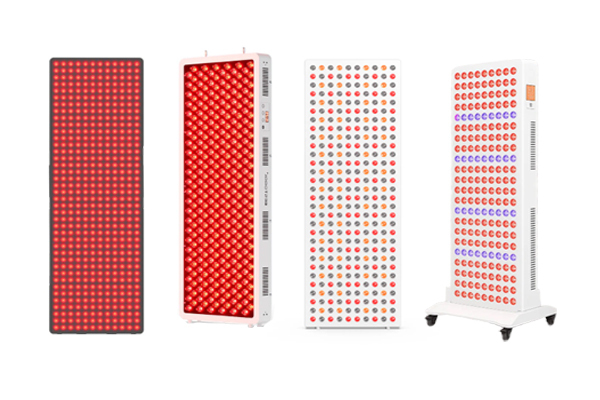

Red light therapy has become a widely adopted wellness technology used for recovery, skincare, and performance support. As the market continues to evolve, understanding the technology behind these devices is essential for making informed decisions. The effectiveness of any system depends on how well its core components work together.
A modern red light panel is built using advanced LED engineering designed to deliver precise wavelengths of red and near-infrared light with consistent performance across treatment sessions.
Understanding Red Light Panel Technology
Red light panels rely on light-emitting diodes (LEDs) that generate specific wavelengths of light. Unlike traditional lighting, these systems are designed for targeted exposure rather than general illumination.
The core goal of this technology is to deliver controlled light energy to the skin and underlying tissues in a consistent and efficient way.
The Role of LEDs in Performance
LEDs are the foundation of every red light panel system. Their quality, arrangement, and efficiency directly influence overall performance.
Key factors include:
- LED lifespan and durability
- Energy efficiency and low heat output
- Consistent brightness across all diodes
- Stable electrical performance over time
High-quality LEDs ensure that the panel delivers uniform light exposure throughout its lifespan.
Wavelengths and Their Importance
Wavelength selection is one of the most important aspects of red light technology. Different wavelengths penetrate the body at different depths and are associated with different types of applications.
Red Light Wavelengths
Red light is typically used for surface-level applications such as skin appearance and general wellness support. It is absorbed more easily by the upper layers of the skin.
Near-Infrared Wavelengths
Near-infrared light penetrates deeper into tissues and is often used for muscle recovery and joint-related applications. It is invisible to the human eye but plays a key role in deeper exposure treatments.
The combination of both wavelengths allows for more versatile use across different wellness goals.
LED Arrangement and Light Distribution
How LEDs are arranged within a panel significantly affects light distribution and consistency. Proper layout design ensures that all areas receive even exposure.
Important design considerations include:
- Even spacing between LEDs
- High-density configurations for broader coverage
- Multi-angle light diffusion to reduce shadows
- Uniform output across the entire panel surface
Good LED arrangement improves treatment consistency and efficiency.
Irradiance and Energy Output
Irradiance refers to the amount of light energy delivered to a specific area. It is a key performance indicator in red light panel systems.
Higher irradiance levels can:
- Reduce session time
- Improve energy delivery efficiency
- Enhance exposure consistency
However, optimal performance requires balancing intensity with comfort and safety.
Heat Management Systems
Heat control is essential for maintaining stable performance and extending device lifespan. LEDs generate heat during operation, and without proper management, performance can degrade over time.
Common cooling solutions include:
- Aluminum heat sinks for passive cooling
- Ventilation channels for airflow
- Thermally efficient internal designs
Effective heat management ensures consistent output during long sessions.
Power Stability and Electrical Design
Stable power delivery is critical for maintaining consistent light output. Fluctuations in voltage or current can affect performance and reliability.
Key features include:
- Regulated power supply systems
- Surge protection mechanisms
- Consistent current distribution across LEDs
These systems help maintain uniform performance throughout use.
Performance Factors That Influence Results
Beyond technical specifications, real-world performance depends on how the device is used.
Key factors include:
- Distance between the user and the panel
- Duration of each session
- Frequency of use
- Targeted treatment area
Proper usage ensures more consistent and reliable outcomes.
Design and Usability Considerations
Modern red light panels are designed for both performance and user convenience. Usability features play a key role in ensuring consistent use over time.
Common design features include:
- Adjustable stands or mounting options
- Digital timers and controls
- Portable or wall-mounted configurations
- User-friendly interfaces
These features make the technology more accessible for daily use.
Conclusion
Red light panel technology is built on the interaction between LEDs, wavelength precision, irradiance, and thermal control systems. Each component plays a role in determining overall performance and effectiveness.
By understanding how these elements work together, users can better evaluate device quality and choose a system that meets their wellness needs. A well-designed red light panel provides consistent, efficient, and reliable performance for a wide range of applications.