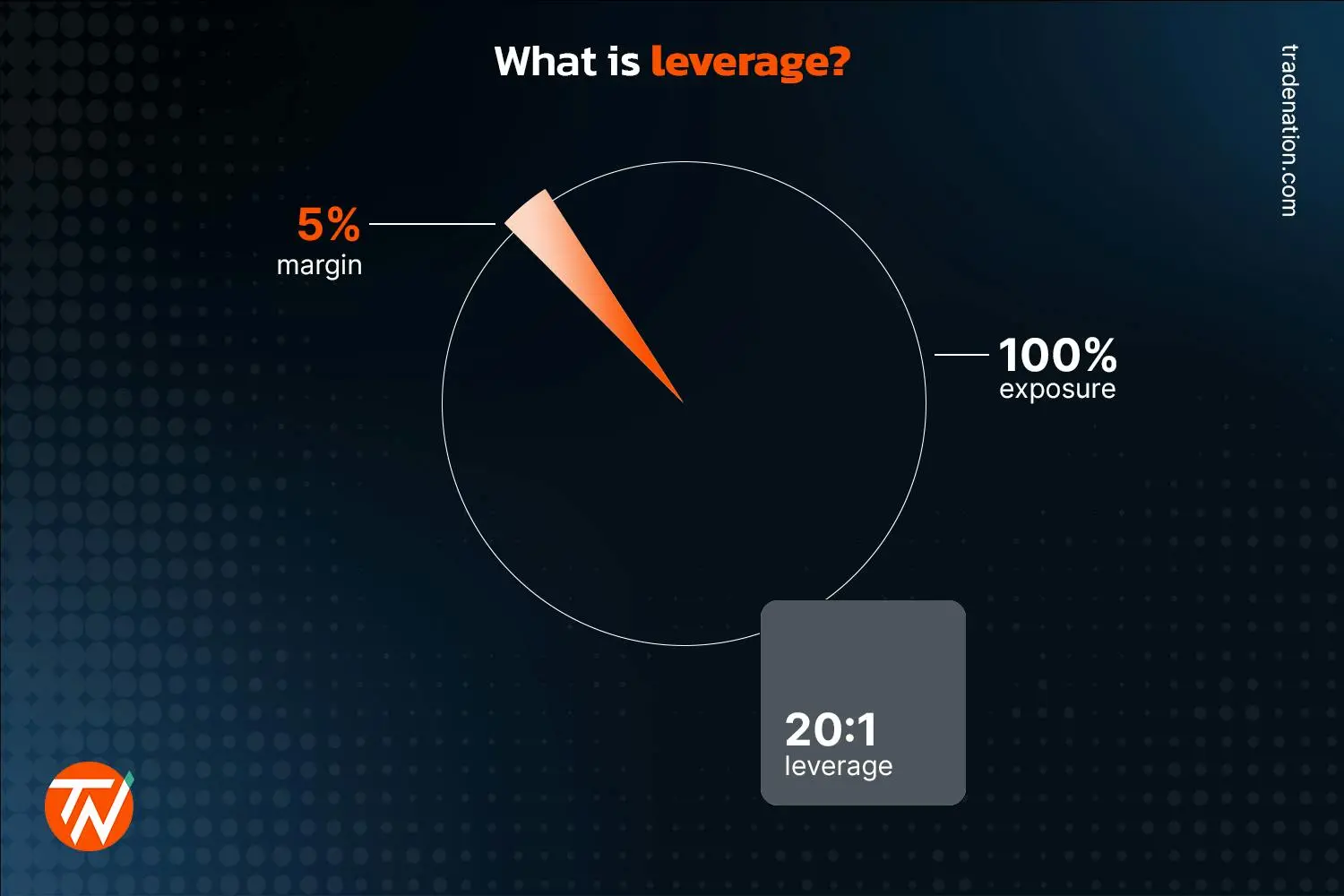

Leverage is one of those things that sounds appealing the first time you hear about it. The idea of controlling a larger position with a smaller amount of money seems efficient, almost like a shortcut, and it’s easy to focus on what it allows you to do rather than how it actually works.
For many people in Australia, CFD trading starts to feel very different once leverage is involved. It’s no longer just about watching price move, it’s about how much those movements affect your account, and that impact can be stronger than expected.
What leverage really does
Instead of thinking about leverage as something technical, it helps to look at it in a practical way. When you use leverage, you’re increasing your exposure to the market without increasing the amount of money you deposit.
That means even small price movements can have a noticeable effect. In CFD trading, this is what allows traders with smaller balances to participate in markets that would otherwise require more capital.
Why it feels attractive at the start
At the beginning, leverage often feels like an advantage. It makes trades look more impactful, and it can give the impression that progress can happen faster.
For traders in Australia, this can make CFD trading feel more accessible, especially when starting with a limited account size. But that early impression doesn’t always show the full picture.
The part that takes time to understand
Leverage increases both sides of the outcome. Gains can appear more quickly, but losses can build just as fast, sometimes faster than expected.
This isn’t always obvious at first. It’s usually something that becomes clearer after experiencing a few trades where price moves against your position. In CFD trading, this is often where perception begins to shift.
How margin fits into the picture
When using leverage, you don’t need the full value of the trade. Instead, you provide a portion of it, which is known as margin, and that keeps your position open.
If the market moves too far against you, your available balance can drop to a level where the position is closed automatically. For traders in Australia, this can feel sudden if they haven’t fully understood how margin works beforehand.
Why using maximum leverage isn’t always necessary
Just because leverage is available doesn’t mean it needs to be fully used. Many beginners assume that higher leverage should be used to take bigger positions, but this often leads to unnecessary pressure.
In practice, keeping position sizes smaller tends to make decisions clearer. With CFD trading, reducing exposure often leads to a more controlled experience, even if it feels less exciting at first.
Where leverage becomes useful
Leverage can be helpful when used with intention. It allows flexibility, especially when you want to take part in a trade without committing a large portion of your account.
For traders in Australia, this can be useful in situations where the setup feels clear, but risk still needs to be managed carefully. In CFD trading, it’s less about how much leverage you have and more about how you choose to apply it.
Common patterns beginners fall into
It’s quite common to increase position sizes after a few successful trades. Confidence builds, decisions feel easier, and leverage starts to be used more aggressively without much thought.
This pattern doesn’t always stand out straight away. For many traders in Australia, it only becomes obvious after a period of inconsistency. In CFD trading, recognising this early can make a big difference.
Keeping leverage aligned with your approach
Leverage works best when it’s part of a wider plan rather than something used on impulse. It should fit into how you manage risk, not override it.
That often means deciding how much you are willing to lose first, and then adjusting your position size accordingly. In CFD trading, this approach tends to create more stability over time.
Why understanding leverage takes experience
The concept itself is simple, but the effect it has on trading is something you feel over time. It’s not just about knowing what leverage does, it’s about seeing how it changes your decisions and reactions.
For traders in Australia, this understanding doesn’t happen all at once. It develops gradually, through observation and experience.
Leverage isn’t something to avoid, but it’s also not something to rely on too heavily. In CFD trading, it’s just one part of the process, and how you use it often matters more than the amount available.