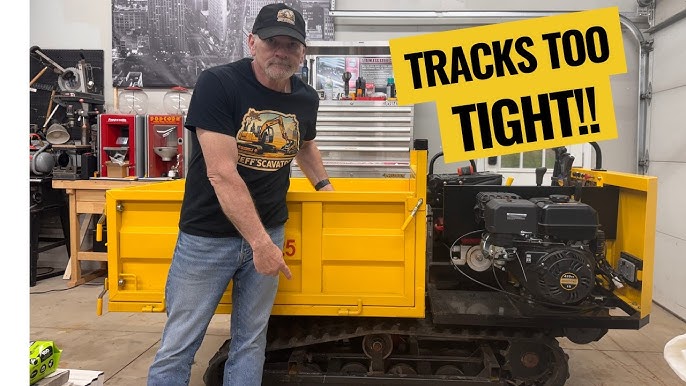

Mini dumpers are essential machines in modern construction and landscaping projects, offering efficient material transport in confined and challenging environments. Their performance and reliability depend heavily on the quality of materials used and the engineering processes applied during manufacturing. Understanding how these machines are built provides insight into why they are capable of handling demanding workloads while remaining compact and versatile.
The production of these machines involves a combination of structural engineering, mechanical design, and precision manufacturing techniques. Reputable mini dumper manufacturers focus on optimizing every stage of production, from material selection to final assembly, ensuring that each unit can withstand harsh working conditions while maintaining long-term operational stability.
Table of Contents
ToggleMaterial Selection in Mini Dumper Production
The foundation of any durable construction machine lies in the materials used. Mini dumpers are exposed to heavy loads, rough terrain, and continuous vibration, making material strength a top priority during production.
Manufacturers typically rely on:
- High-strength structural steel for the chassis
- Wear-resistant alloys for moving components
- Reinforced rubber or steel for track systems
- Corrosion-resistant coatings for outdoor durability
These materials are selected not only for strength but also for their ability to resist fatigue and environmental damage. In construction environments where machines operate in mud, dust, and moisture, corrosion resistance becomes especially important for extending service life.
Engineering Design and Structural Optimization
Engineering design plays a crucial role in ensuring that mini dumpers remain stable and efficient under load. Structural optimization focuses on distributing weight evenly across the frame to reduce stress concentration and improve balance.
Key engineering principles include:
- Low center of gravity for enhanced stability
- Reinforced load-bearing frame structures
- Optimized geometry for improved weight distribution
- Compact design for operation in narrow spaces
These design choices help prevent structural failure while allowing the machine to operate safely on uneven terrain or slopes. Engineers also use simulation tools to test stress points before production begins, improving overall reliability.
Hydraulic System Integration
Hydraulic systems are essential for the lifting and dumping functions of mini dumpers. Proper integration of these systems ensures smooth and controlled operation even when handling heavy loads.
F=P×AF = P \times AF=P×A
This fundamental principle explains how hydraulic force is generated through pressure applied over a specific area, allowing efficient lifting performance with relatively compact components.
Manufacturers improve hydraulic performance by:
- Using high-efficiency pumps for consistent pressure output
- Installing reinforced hydraulic cylinders for heavy lifting
- Designing leak-resistant hose systems
- Incorporating precise control valves for smooth operation
These improvements ensure that dumping operations remain stable, controlled, and efficient in real-world conditions.
Manufacturing Processes and Assembly Techniques
The production of mini dumpers involves multiple precision-based manufacturing processes. Each stage is carefully controlled to ensure consistency and reliability across all units.
Typical manufacturing steps include:
- Cutting and shaping steel components using CNC machinery
- Welding frame structures with high-strength joints
- Installing hydraulic and mechanical systems
- Assembling engine and transmission components
- Performing final quality inspection and testing
Advanced manufacturing techniques such as robotic welding and computer-aided design are increasingly used to improve accuracy and reduce production errors.
Track System Engineering and Durability
The track system is one of the most important components affecting both durability and performance. It determines how well the machine can operate on unstable or uneven surfaces.
Manufacturers improve track systems by:
- Using reinforced rubber compounds or steel tracks
- Designing deep tread patterns for better grip
- Strengthening rollers and sprockets for extended lifespan
- Optimizing track tension systems for smoother movement
These enhancements allow mini dumpers to maintain traction and stability even in muddy, rocky, or sloped environments.
Testing and Quality Assurance
Before reaching the market, each unit undergoes strict testing to ensure it meets performance and safety standards. This step is essential for identifying potential issues before deployment.
Common tests include:
- Load capacity testing under maximum weight conditions
- Hydraulic pressure and response testing
- Terrain adaptability trials
- Continuous operation endurance tests
- Safety system verification
These procedures ensure that only reliable and durable machines are delivered to end users.
Importance of Engineering Precision in Performance
Precision engineering directly influences how efficiently a mini dumper performs in real-world applications. Even small design improvements can significantly enhance fuel efficiency, load handling, and operational stability.
Well-engineered machines offer:
- Reduced mechanical wear over time
- Improved fuel efficiency
- Better control and handling
- Longer service life with lower maintenance requirements
This makes engineering quality a key factor in overall equipment value.
Conclusion
The performance and durability of mini dumpers depend heavily on the materials used and the engineering processes applied during manufacturing. From structural design and hydraulic integration to track system development and rigorous testing, every stage contributes to the machine’s overall reliability.
By focusing on advanced engineering techniques and high-quality materials, mini dumper manufacturers ensure that these machines can meet the demands of modern construction environments. Their continued innovation helps improve efficiency, safety, and long-term performance across a wide range of applications.